
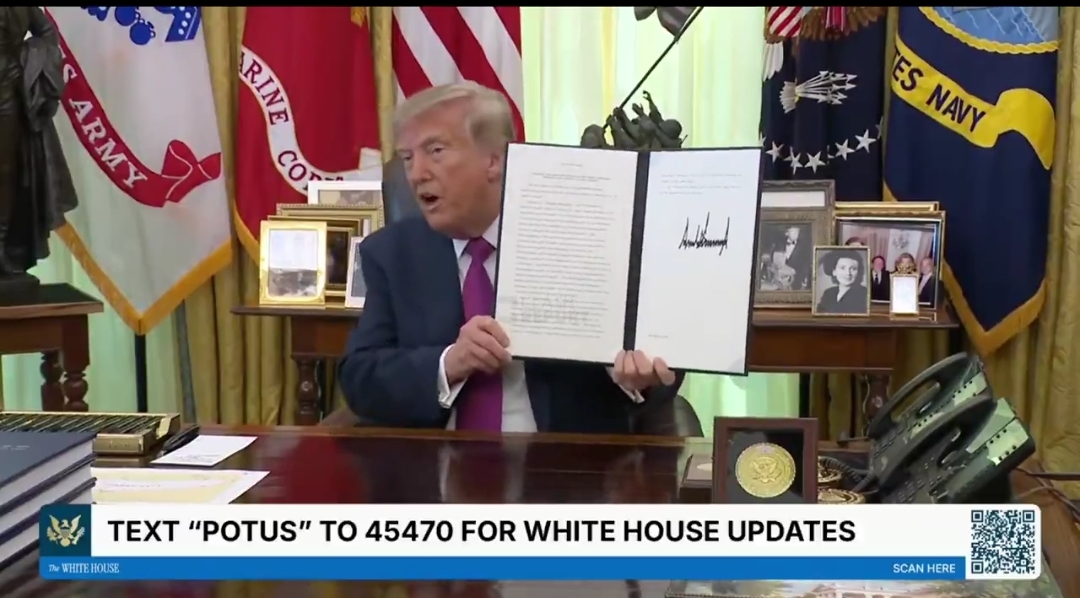

WASHINGTON -UNS : U.S. President Donald Trump has signed an executive order directing the federal government to rename Lake Ontario as “Lake America,” in a symbolic move that comes amid escalating tensions between the United States and Canada. The executive order, signed on August 27, directs the U.S. Department of […]
World News
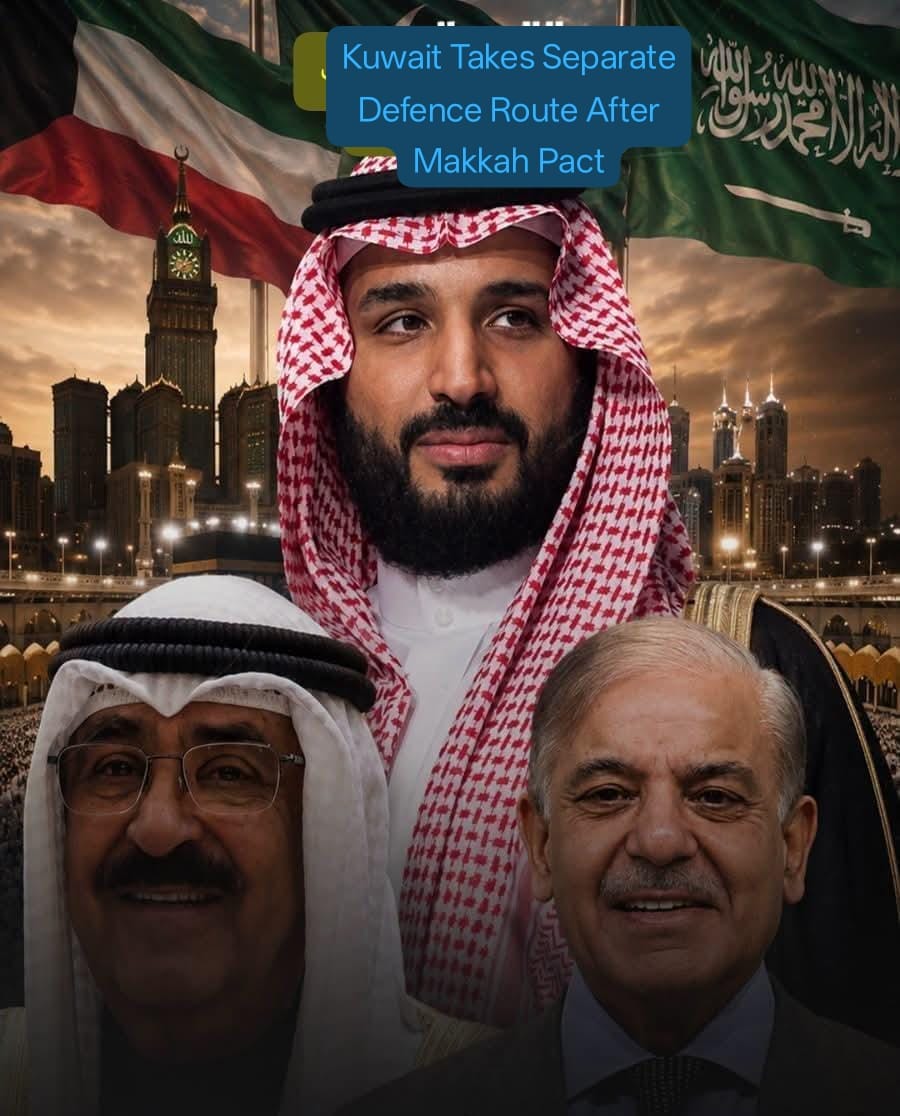
By Dr Lubna Farah The signing of the Makkah Defence Pact by Saudi Arabia, Pakistan and Türkiye has introduced a significant new dimension to the evolving security architecture of the Middle East. Its message is clear: an armed attack on one party is to be treated as an attack on […]

NEW YORK -UNS: New York City officials have expressed solidarity with Nepalese and Tibetan communities following devastating flooding and mudslides that struck Nepal and Tibet on August 26, causing extensive loss of life and widespread destruction. Mayor’s Office for International Affairs Commissioner Ana María Archila and Mayor’s Office of Immigrant […]
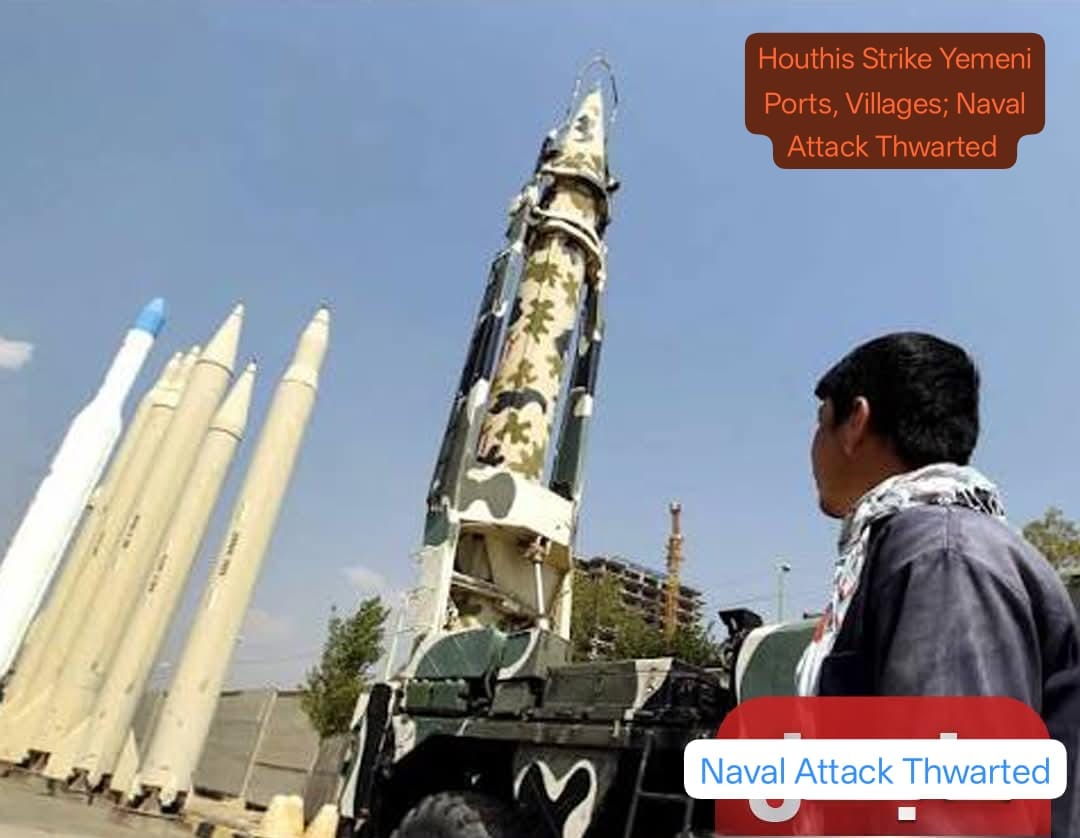
ADEN-UNS: Yemeni government forces said Thursday that the Houthi group had launched ballistic missiles toward areas in the western governorates of Hodeidah and Taiz, including a densely populated village north of Khokha. No casualties have been confirmed. The official Saba News Agency reported that the Houthis fired four ballistic missiles […]
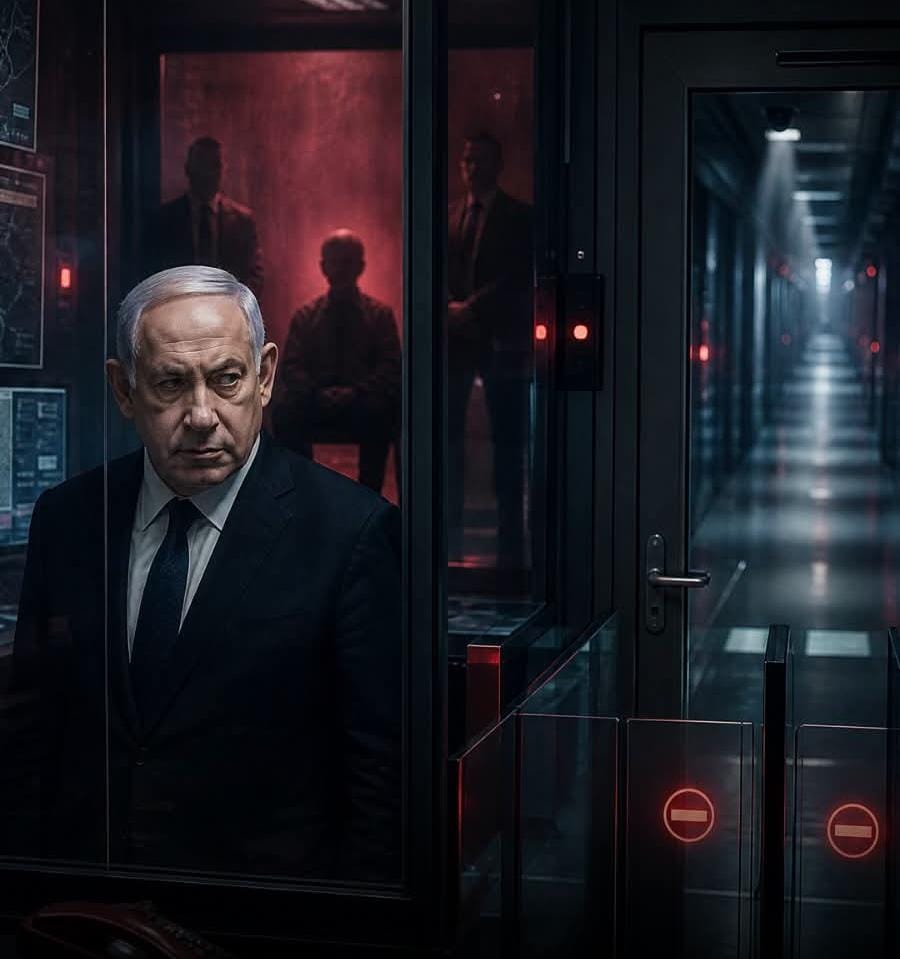
JERUSALEM -UNS : Security arrangements for Israeli Prime Minister Benjamin Netanyahu’s family have returned to the center of public debate following his claim that Iran had targeted one of his sons in an alleged attempt to assassinate him. In an interview with Israel’s Channel 14, Netanyahu said one of his […]
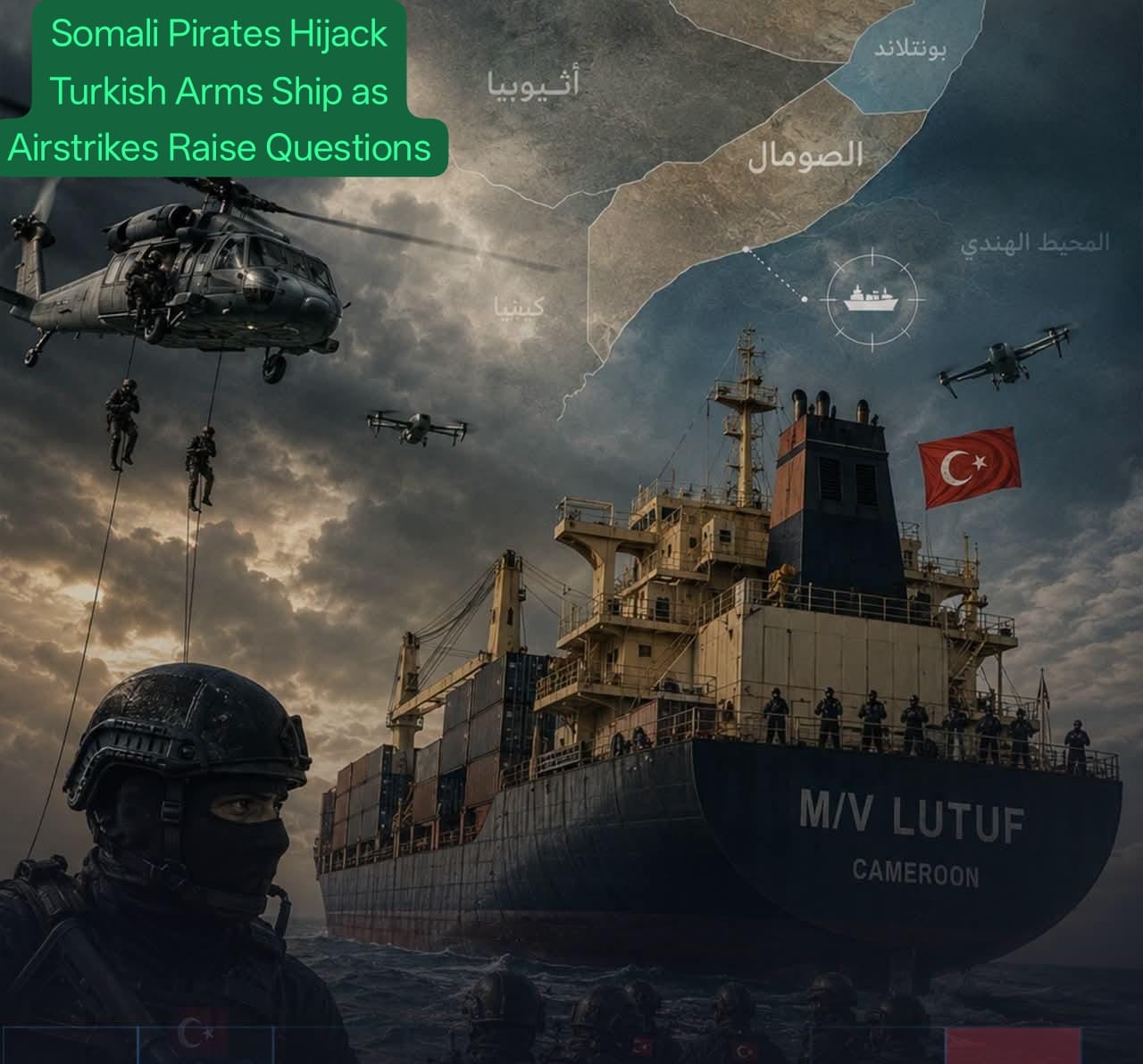
MOGADISHU, Somalia-UNS : Somali pirates have hijacked the Cameroon-flagged cargo vessel M/V LUTUF off the coast of Puntland, reportedly seizing a shipment of Turkish military-related equipment, communications systems and satellite equipment bound for a Turkish military training facility in Mogadishu. The August 17 hijacking has developed into a wider maritime-security […]

By Qamar Bashir Press Secretary to the President (Rtd) Former Press Minister, Embassy of Pakistan to France Former Press Attaché to Malaysia Former MD, SRBC | Michigan, USA One of the most consequential outcomes of the Iran war has been the emergence of new security arrangements across the Middle East and its surrounding regions. Among them, the Makkah Joint Defence Agreement between Saudi Arabia, Pakistan and Türkiye deserves particular attention. Yet describing this arrangement as an “Islamic NATO” is misleading, unnecessarily provocative and potentially dangerous. It converts a developing defensive arrangement among three sovereign states into an ideological and religious bloc that its signatories themselves have not formally created. The agreement signed in Makkah on August 7 is certainly significant. Saudi Arabia, Pakistan and Türkiye have committed themselves to collective deterrence, including the important principle that an armed attack against one will be regarded as an attack against all three. Their official statement speaks of historical ties, Islamic solidarity, shared strategic interests and defence cooperation. But its declared objectives are collective security, deterrence, peace and regional stability. It is formally called the Makkah Joint Defence Agreement—not Islamic NATO. That distinction matters. Calling it an Islamic NATO immediately injects religion into what should primarily be understood as a strategic security arrangement. If this alliance must be called “Islamic NATO” because its three members are Muslim-majority countries, should NATO itself be described as “Christian NATO” because most of its members historically have Christian-majority populations? Clearly not. Modern alliances are normally defined by strategic interests, geography and shared security concerns rather than the religions practiced by their populations. The Makkah agreement should therefore be viewed in the extraordinary geopolitical environment from which it emerged. The Iran war has profoundly disturbed assumptions about security across the Middle East. Countries that once believed distant great powers could guarantee their security have been forced to reconsider how much strategic autonomy they require. Old relationships have been tested, new partnerships accelerated and previously improbable security arrangements have become conceivable. The transformation is especially visible in Syria. Türkiye’s growing influence there has increasingly intersected with Israel’s security calculations. Israeli strikes, Turkish objections and disputes over possible Turkish military activity have created an entirely new potential flashpoint. An Israeli strike on Syria’s Abu al-Duhur airbase this month produced sharp exchanges between Ankara and Israel, while Washington has been attempting to establish mechanisms preventing their competition inside Syria from escalating into direct confrontation. Only days later, Syria and Israel were again engaged in American-mediated talks intended to reduce tensions, including the danger that Israeli Turkish rivalry could spill further into Syrian territory. This illustrates just how dramatically the regional chessboard has changed: Syria is no longer merely an arena of the old Iran-Israel confrontation but increasingly a junction where Turkish, Israeli, Syrian, Arab and American security interests overlap. The war has simultaneously returned the Palestinian question to the centre of regional diplomacy and exposed tensions within relationships previously regarded as almost immune from strategic disagreement. It has forced governments from the Gulf to South Asia to reconsider whether traditional bilateral security relationships remain sufficient in an era of missiles, drones, cyberwarfare, disrupted shipping and rapidly shifting alliances. The consequences extend far beyond military affairs. The Strait of Hormuz has demonstrated once again […]
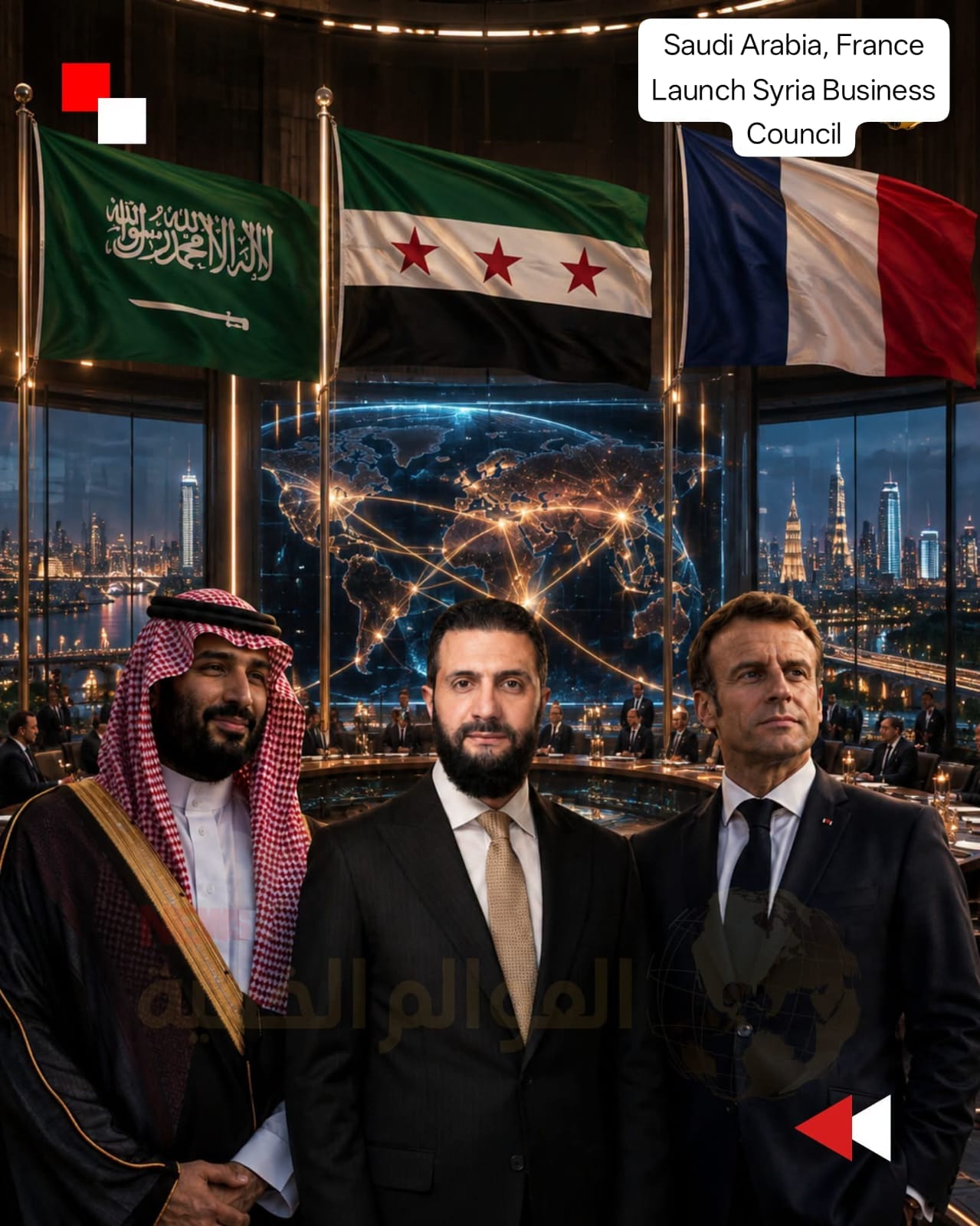
Riyadh and Damascus subsequently agreed to move these understandings toward implementation and translate the announced agreements into concrete investment projects.
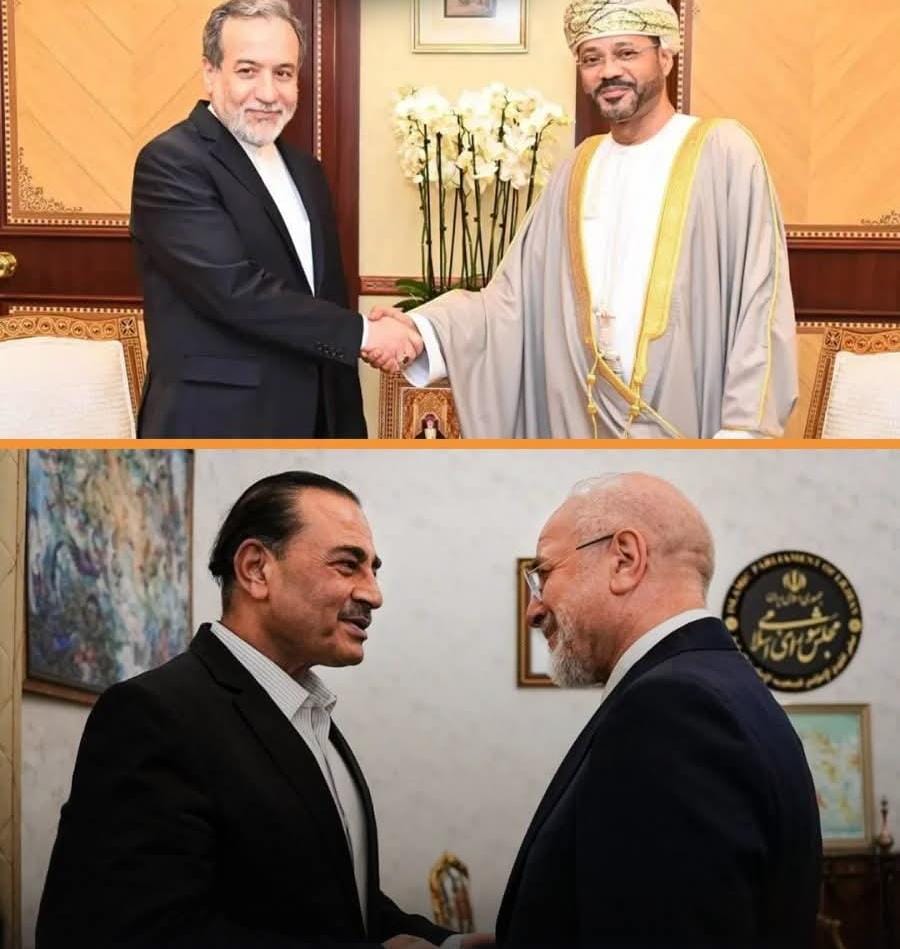
UNS Report As Washington intensifies economic pressure on Iran and signals the possibility of unprecedented new sanctions, diplomatic activity around Tehran appears to be gathering momentum, with multiple mediation channels working to reduce tensions and keep open a possible path toward negotiations. Against this backdrop, Pakistan Army Chief Field Marshal […]
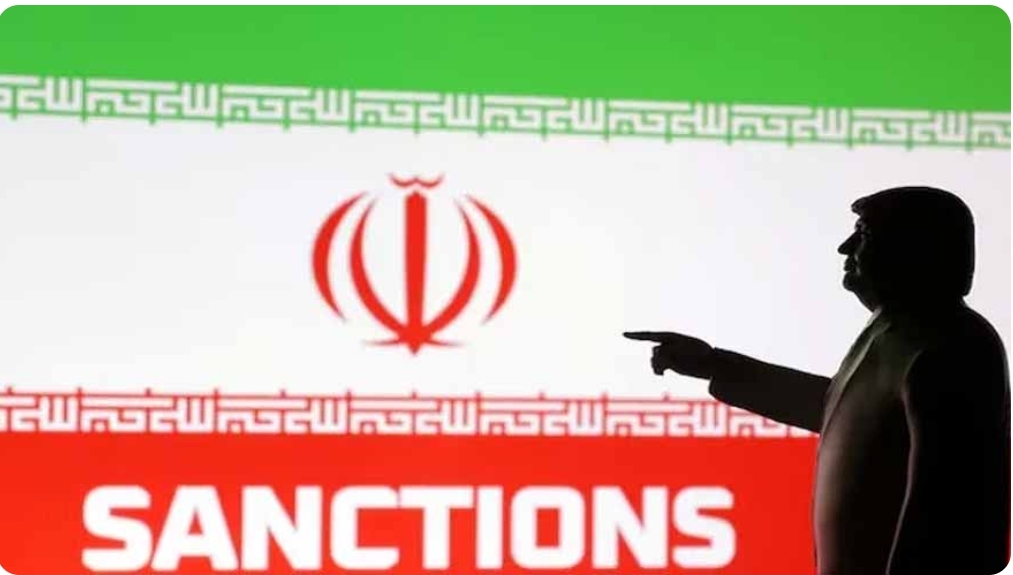
Reuters: Iran on Saturday denounced US plans to announce new sanctions that could put further strain on the Islamic Republic’s economy and have an impact on its most important trading partners, including China. After nearly six months of war since the US and Israel launched airstrikes against Iran on February […]