

Such cooperation must respect sovereignty, empower local communities and prevent reconstruction from becoming another system of dependency. The test of Western commitment is whether it supports prosperity and independence even when these strengthen competitors.


He praised the Saudi armed forces and the coalition for intercepting multiple ballistic missiles, commending their vigilance and professionalism in protecting civilians and safeguarding the Kingdom.

Redressal of a record 261,101 complaints in 2025, compared with 223,198 in 2024, with implementation rate of 96.8%.
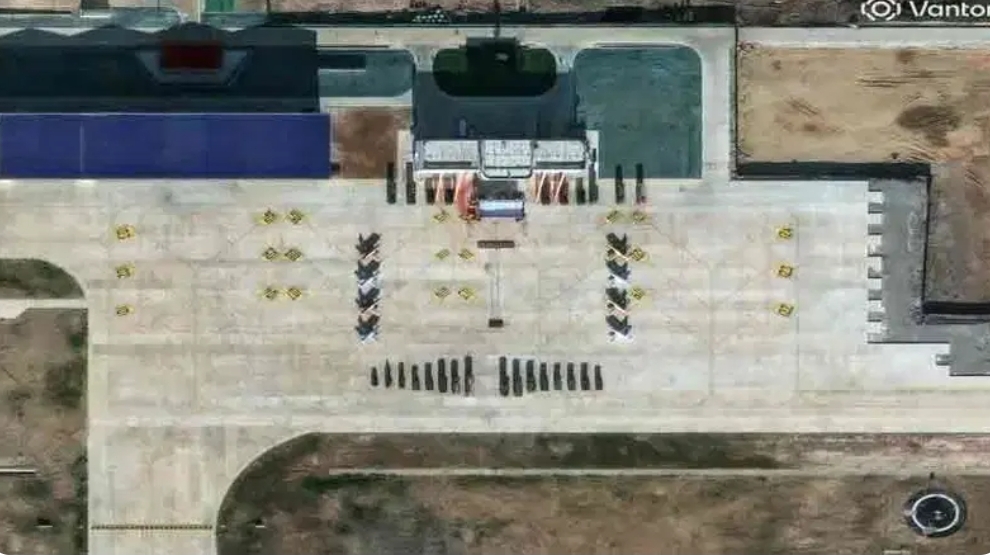
VIENTIANE: China has opened a joint military training facility at a former CIA-operated airfield in northwestern Laos, a development drawing attention to Beijing’s growing military cooperation in Southeast Asia. The facility, located at Ban Keun Airport, includes the China-Laos Joint Support and Training Center and the China-Laos Friendship Aviation Academy. […]
ISLAMABAD-UNS :The National Electric Power Regulatory Authority (Nepra) has increased electricity prices by Rs1.11 per unit under the August fuel price adjustment, according to a notification issued on Thursday. The increase will affect electricity consumers across the country, including customers of K-Electric. The additional charges will be recovered through electricity […]
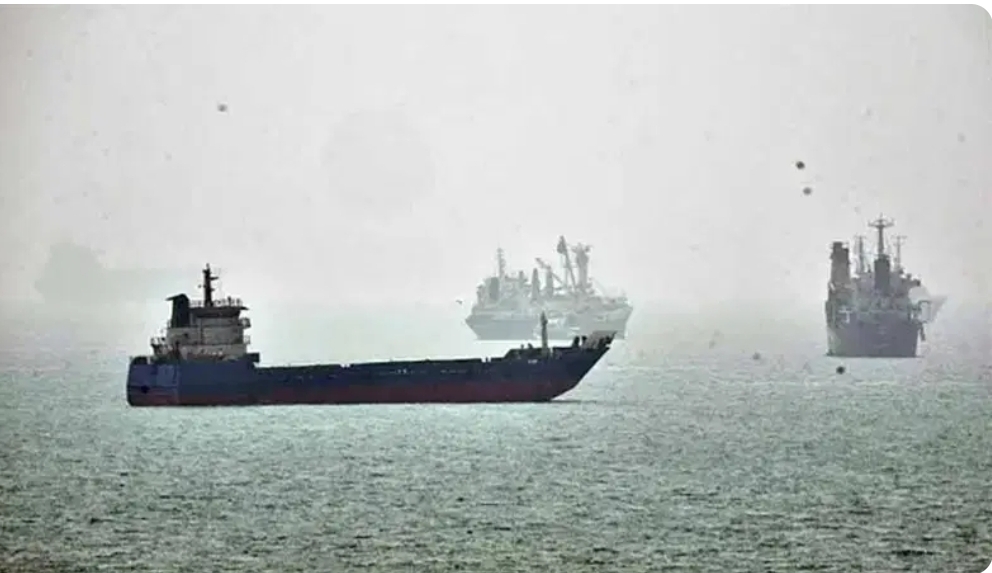
DUBAI- UNS: The United States has imposed sanctions on 10 entities, six individuals and five vessels over their alleged involvement in the trade of Iranian-origin petroleum, petroleum products and petrochemicals, the US State Department said on Thursday. The action targets companies and individuals linked to India, the United Arab Emirates, […]

PESHAWAR: The Khyber Pakhtunkhwa government has generated more than Rs335.6 million through the auction of four exportable markhor trophy hunting permits, setting a new revenue record for the provincial programme. The four permits, allocated to Village Conservation Committees in Chitral and Kohistan, fetched a combined $1.2118 million. The auction was […]
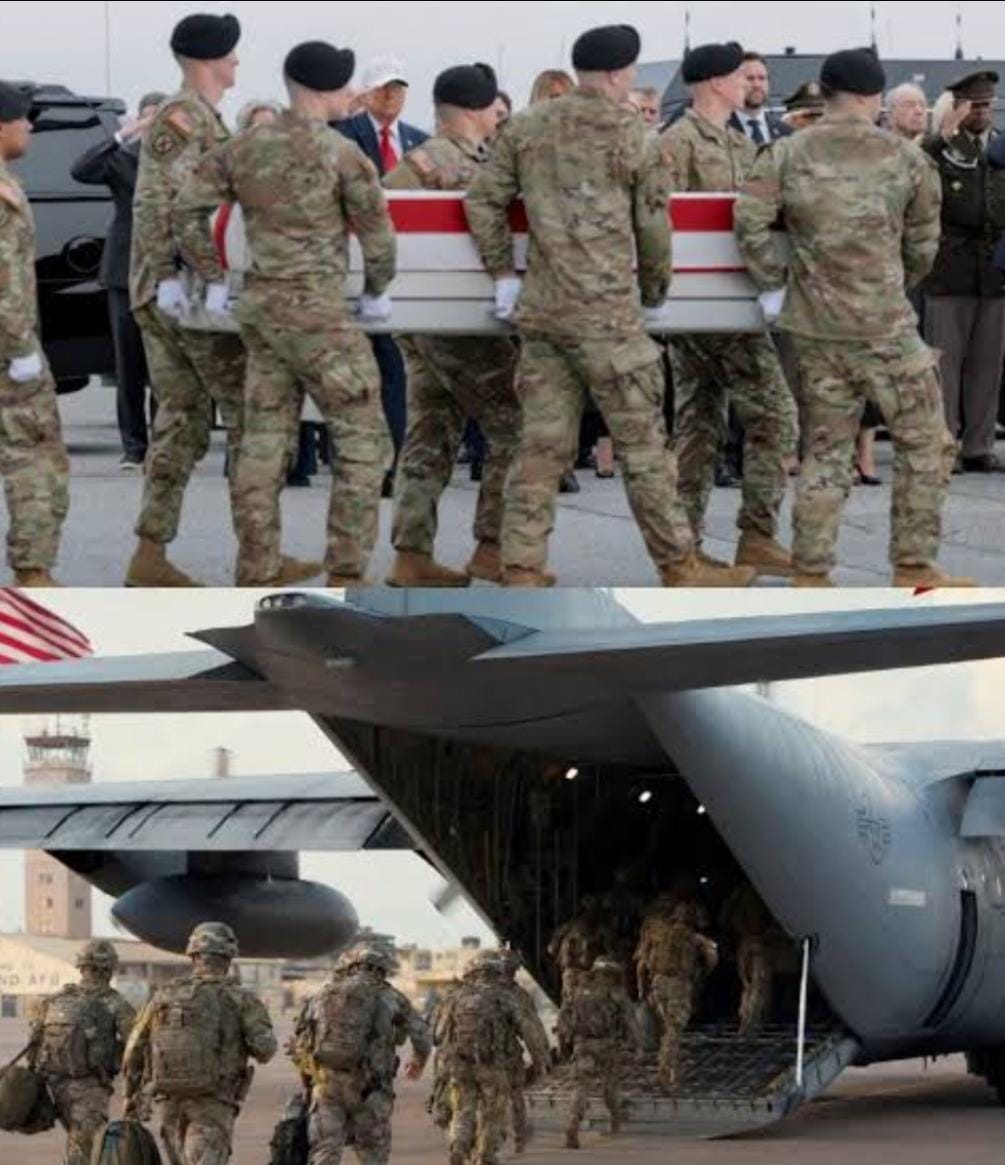
KUWAIT-UNS:A new investigative report by CBS News has shed further light on the scale of damage inflicted on the US military presence at Camp Buehring in Kuwait during the opening days of the conflict with Iran, revealing significant disruption to military infrastructure, equipment and the deployment posture of American forces. […]
Congressional Research Service identifies 81 military aircraft destroyed or damaged; MQ-9 Reaper drones feature prominently in reported losses as separate estimates put the cost of the conflict at $45 billion or more

By S.M. Hali History teaches a sobering truth: great wars rarely begin because nations deliberately seek catastrophe. More often, they emerge from a chain of actions, reactions, alliances and miscalculations that steadily narrow the space for diplomacy. Leaders insist no one wanted war, yet war arrives nonetheless. It is this lesson that lends contemporary developments in Ukraine such urgency. On 6 October in Kyiv, Admiral Giuseppe Cavo Dragone, Chairman of NATO’s Military Committee, announced that representatives of all 32 NATO member states had gathered in the Ukrainian capital. The purpose was unmistakable: to demonstrate that NATO’s bond with Ukraine is “stronger and stronger.” The statement reflected alliance unity, but it also reinforced a strategic reality that has shaped Russian policy for more than a decade. Since the political upheaval in Kyiv in 2014, President Vladimir Putin, the Kremlin and Russia’s security establishment have consistently portrayed Ukraine’s membership in NATO as an existential threat. Moscow has repeatedly described such a prospect as the “reddest of red lines.” Whether one agrees with that assessment is less important than recognising its strategic significance. States react not only to realities but also to perceptions, and history repeatedly demonstrates the danger of dismissing an adversary’s threat perceptions. The war in Ukraine can no longer be viewed simply as a conflict between Moscow and Kyiv. It has evolved into a broader geopolitical contest between Russia and the collective West. Ukraine remains the battlefield, but the confrontation increasingly encompasses military, economic, technological, informational and diplomatic dimensions. Its implications extend far beyond territory or sovereignty. The most instructive historical parallel lies in the period preceding the First World War. The assassination of Archduke Franz Ferdinand did not automatically condemn Europe to catastrophe. What transformed a regional crisis into a global disaster was a web of alliances, military commitments and strategic assumptions. Political leaders believed they could manage escalation; instead, treaty obligations, mobilisation plans and mutual fears created a momentum no one could control. The parallels are imperfect but revealing. Then, as now, rival blocs regarded their own actions as defensive while adversaries saw them as offensive. Then, as now, policymakers placed faith in deterrence while underestimating the risks of miscalculation. The tragedy of history is that wars often begin not when leaders desire them, but when they mistakenly believe they can control them. The Prussian strategist Carl von Clausewitz captured this reality when he wrote: “War is merely the continuation of policy by other means.” Yet Clausewitz also understood that once unleashed, war develops its own momentum. Political calculations give way to emotion, public pressure and escalating commitments, often producing outcomes far removed from original intentions. This is where the greatest danger lies today. The issue is not a single weapons transfer or battlefield development, but the cumulative trend. Every escalation in military assistance, every expansion of strategic commitments and every new capability introduced into the conflict increases the possibility of unintended consequences. Individually, such steps may appear logical; collectively, they create a trajectory that becomes increasingly difficult to reverse. The conflict has already moved far beyond its initial parameters. Economic sanctions, cyber operations, intelligence sharing, advanced weapons systems and diplomatic manoeuvring have transformed Ukraine into the epicentre of a wider confrontation. What began as a regional war increasingly resembles a contest over the future architecture of international security and the global balance of power. Equally troubling is the normalisation of escalation. Actions once regarded as extraordinary are now treated as routine. Red lines that appeared inviolable only a few years ago have repeatedly shifted. Such gradual change creates a dangerous illusion of control. History suggests that nations often believe they are managing risks precisely when those risks are becoming unmanageable. This is not an argument against supporting Ukraine, nor does it legitimise Russian actions. Rather, it is a reminder that prolonged conflicts develop their own strategic logic. Nations become invested in outcomes, reputations become tied to policies and compromise becomes politically difficult. As a result, opportunities for de-escalation diminish while the risks of misunderstanding grow. The essential lesson of statecraft is that strength must be balanced by restraint. Deterrence remains necessary, but diplomacy is indispensable. Strategic success lies not merely in demonstrating resolve but in preventing crises from reaching the point where no participant can retreat without unacceptable cost. The tragedy of 1914 was that Europe’s leaders failed to recognise how rapidly events were escaping their control. By the time they grasped the danger, catastrophe had become irreversible. Today, the world faces a similarly consequential moment. As NATO deepens its engagement with Ukraine and Russia continues to interpret those developments as a direct security challenge, the risks of escalation cannot be ignored. History rarely announces the approach of disaster. It advances through an accumulation of decisions, assumptions and misjudgements. If the twentieth century offers any enduring lesson, it is this: global catastrophes do not emerge suddenly. They arise one miscalculation at a time. The imperative for today’s leaders is therefore clear: ensure that Ukraine does not become the place where history’s darkest lessons are learned once again. Otherwise, future historians may judge this conflict as the moment the world, convinced it still controlled events, drifted step by step towards the brink of Armageddon.