
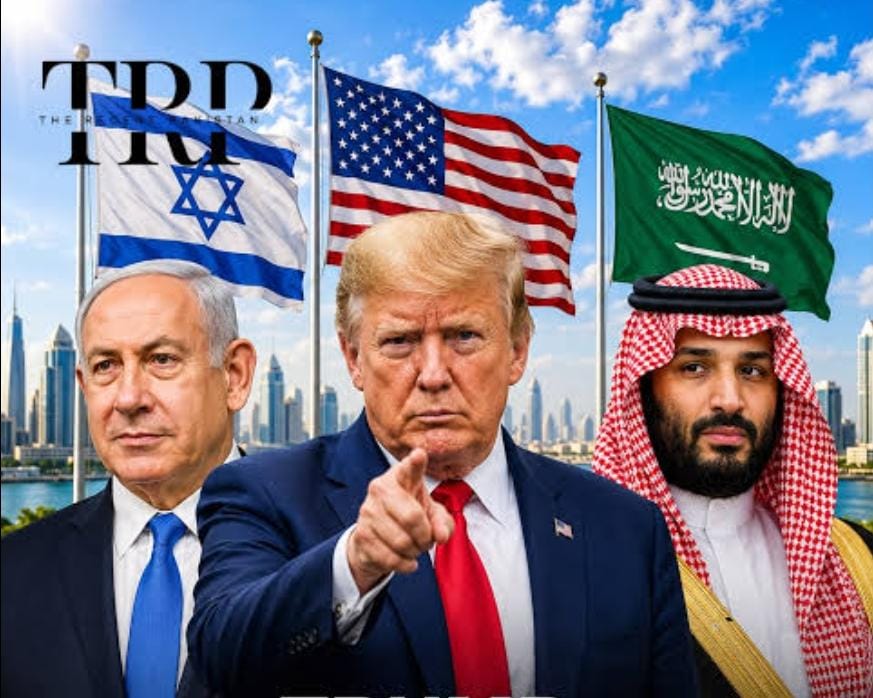

Washington, D.C. -UNS : U.S. President Donald Trump has declared that the proposed civilian nuclear cooperation agreement between the United States and Saudi Arabia will move forward only if the Kingdom formally establishes diplomatic relations with Israel by joining the Abraham Accords. The announcement marks a significant policy clarification, as […]
ME
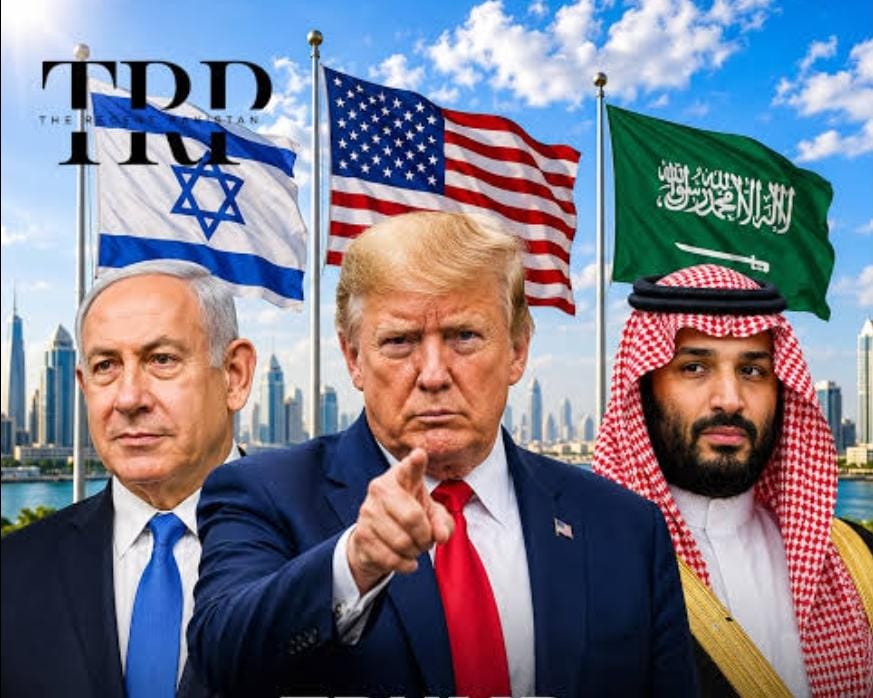
Washington, D.C. — U.S. President Donald Trump has declared that the proposed civilian nuclear cooperation agreement between the United States and Saudi Arabia will move forward only if the Kingdom formally establishes diplomatic relations with Israel by joining the Abraham Accords. The announcement marks a significant policy clarification, as the […]
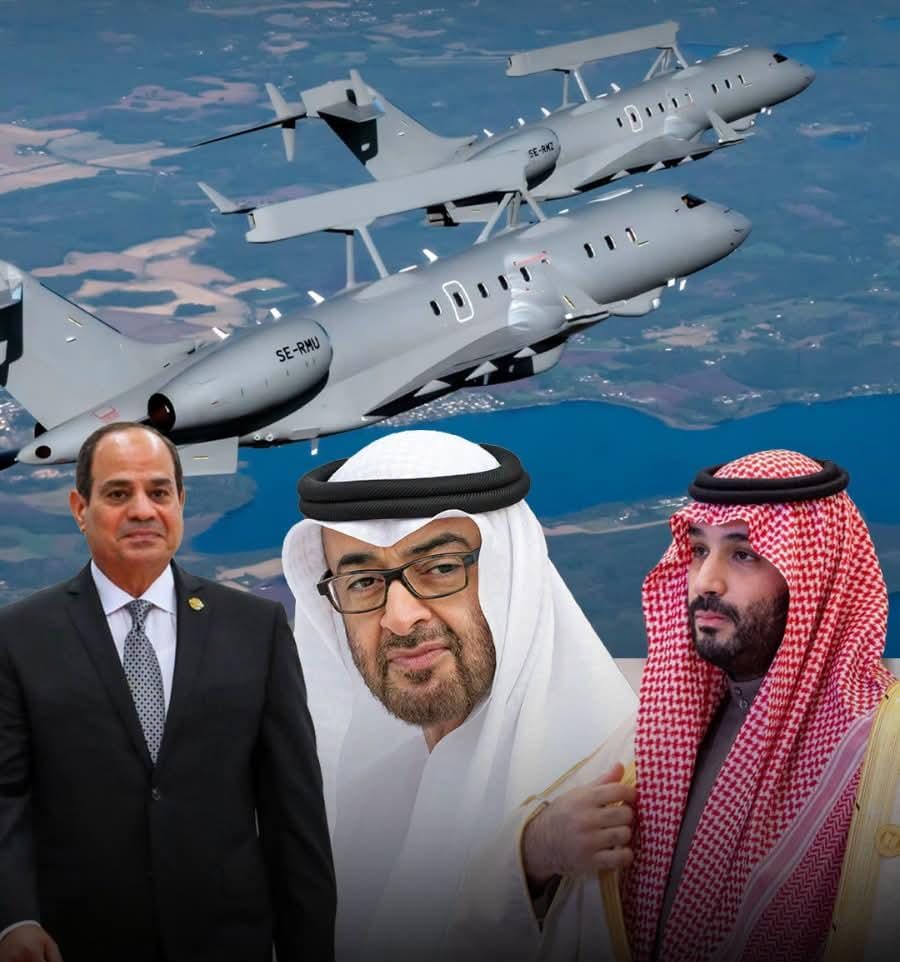
Stockholm -UNS:Swedish defense manufacturer Saab has signed a US$1.04 billion contract to supply two GlobalEye Airborne Early Warning and Control (AEW&C) aircraft to an undisclosed Middle Eastern nation, triggering widespread speculation over the identity of the customer and the strategic implications for regional security. Saab confirmed the agreement but declined […]

MAKKAH -UNS : A long-circulated claim questioning the safety of Zamzam water was scientifically rejected after laboratory testing confirmed that the water is safe for human consumption and possesses distinctive natural mineral properties. According to the account, controversy emerged in 1971 when an Egyptian doctor reportedly wrote to the European […]
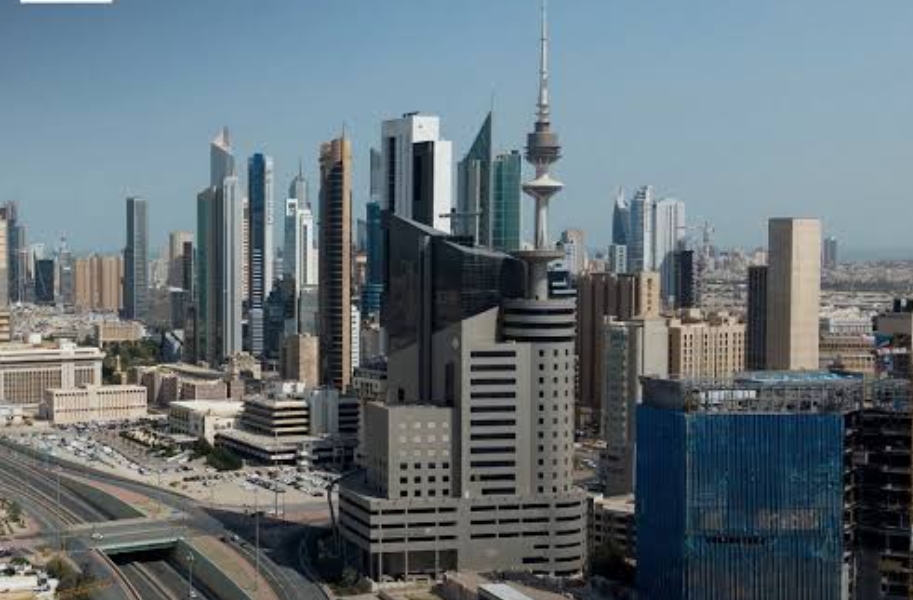
Kuwait City-UNS: Kuwait’s Ministry of Defense announced on Thursday that an Iranian attack targeted a building belonging to a Chinese company in northern Kuwait, resulting in the death of one worker and causing extensive structural damage. According to an official statement posted by the Ministry on X, the spokesperson for the […]
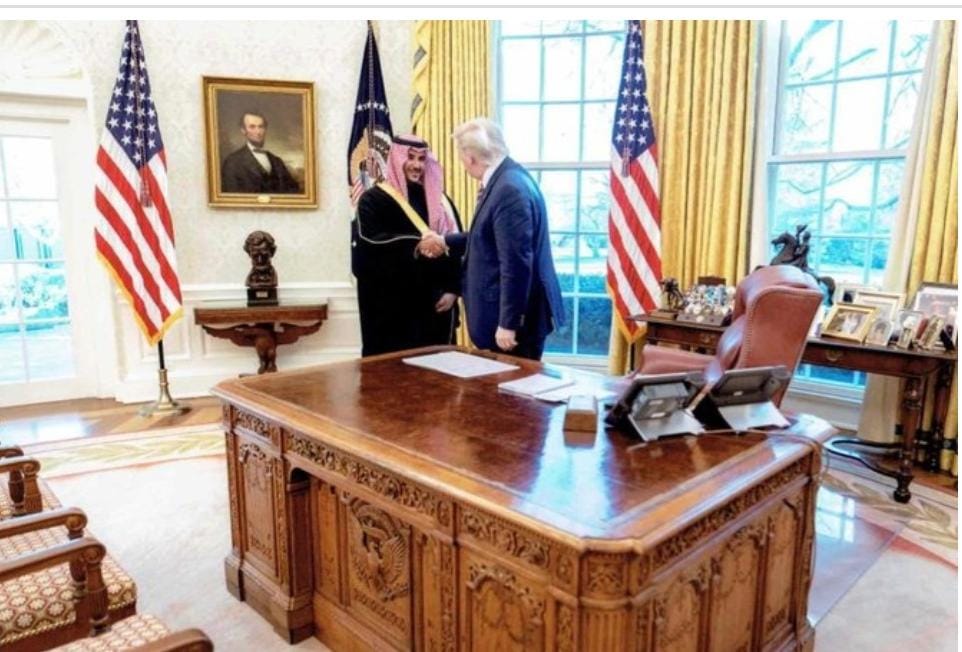
The meeting followed Prince Khalid’s talks with US Vice President JD Vance, during which the Saudi minister reportedly conveyed that Saudi Arabia supports de-escalation with Iran, despite the recent joint US-Saudi military strikes against Iranian-aligned militias in Iraq.
By Qamar Bashir Press Secretary to the President (Rtd) Former Press Minister, Embassy of Pakistan to France Former Press Attaché to Malaysia Former MD, SRBC | Michigan, USA The potential for nuclear escalation represents the most terrifying dimension of the Iran war. The Trump administration’s framing of the Pickaxe mountain facility as a potential existential threat to the United States and the global community is deeply concerning. This facility is so strong, so formidable, and so meticulously designed that normal conventional weapons are unable to reach its core. The durability of Pickaxe to conventional interdiction has led to discussions in media, in podcasts and in political parlance about the potential use of nuclear weapons as perhaps the only solution to prevent Iran from assuming the status of a nuclear power. There are troubling indications that Donald Trump has already considered the use of nuclear weapons, with reports suggesting he has approached the Pentagon at least once, perhaps twice, to draw up nuclear strike options against Iran. The Chairman of the Joint Chiefs of Staff has rejected these requests, citing fundamental unconstitutionality. However, the danger lies in the potential use of intelligence information to manufacture a threat that would be adaptable to US doctrine. The nuclear posture review and the commander’s guidance to the nuclear implementation plan have already created a definition that permits the United States to use nuclear weapons if an existential threat is identified. If the United States determines that Iran is installing a viable centrifuge capability or has installed a nuclear warhead assembly plant, the cognitive justification for nuclear use becomes dangerously plausible. The potential for a nuclear strike on the Pickaxe facility would have catastrophic consequences. While Iran might survive a nuclear attack if it does not fall on most of its cities, the Iranian counterattack would likely eliminate Israel, a small country that cannot survive even a small or middle-level nuclear warhead. Furthermore, Iran has declared it possesses fissile material to produce 10 to 15 atomic warheads, along with sophisticated delivery mechanisms. Iran has made it clear that it possesses the fissile material necessary to produce nuclear weapons and has the delivery mechanisms already available in a very sophisticated form. The war has fundamentally altered the nuclear calculus. With the killing of the previous Supreme Leader, US intelligence agencies now assess that his successor is far more interested in pursuing a nuclear weapon. This shift represents a grave consequence of the US policy of regime change. Iran’s leadership likely views the acquisition of nuclear capability as the ultimate deterrent against the existential threat posed by Washington and Israel. The retaliatory potential extends beyond the immediate region. While Iran’s delivery systems may not currently be able to reach the United States directly, such weapons could be transported through cargo ships and launched when they […]
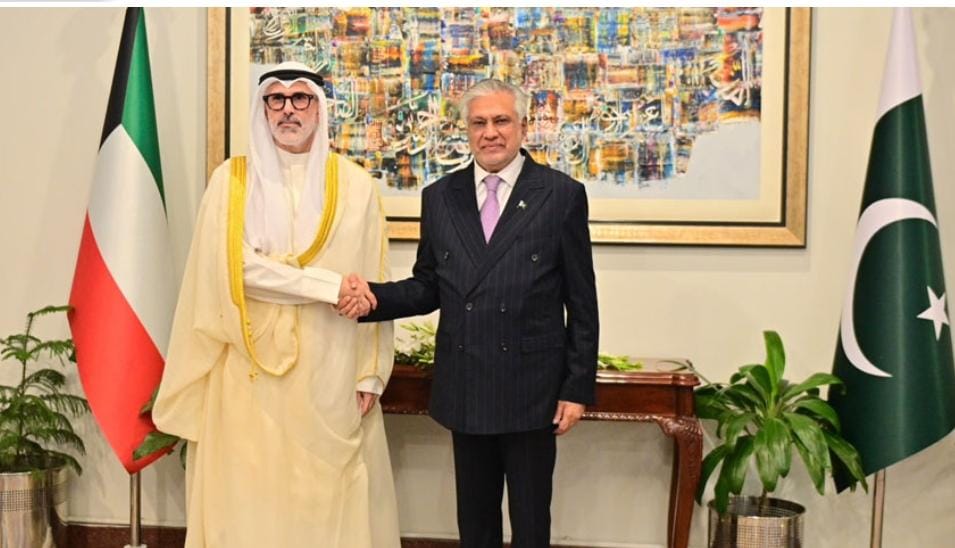
Dr. Lubna Farah ISLAMABAD: Pakistan’s Deputy Prime Minister and Foreign Minister, Ishaq Dar, on Wednesday welcomed Kuwait’s Foreign Minister, Sheikh Jarrah Jaber Al-Ahmad Al-Sabah, at the Ministry of Foreign Affairs in Islamabad during his official visit to Pakistan. The visit reflects the shared commitment of both countries to further strengthen […]
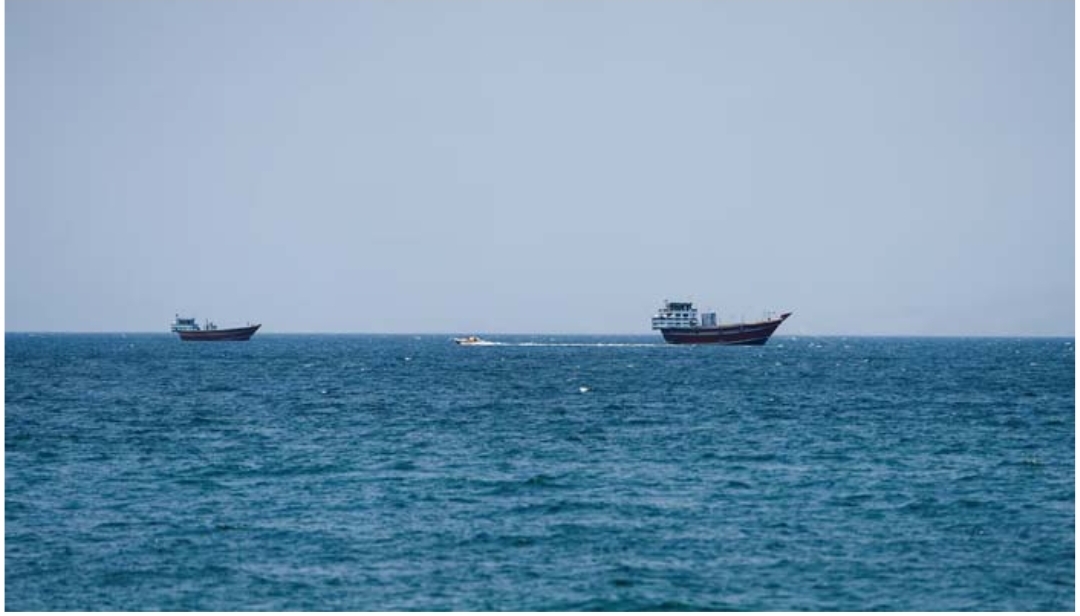
The initiative comes after months of disruption to global oil shipments caused by the US-Israeli conflict with Iran.
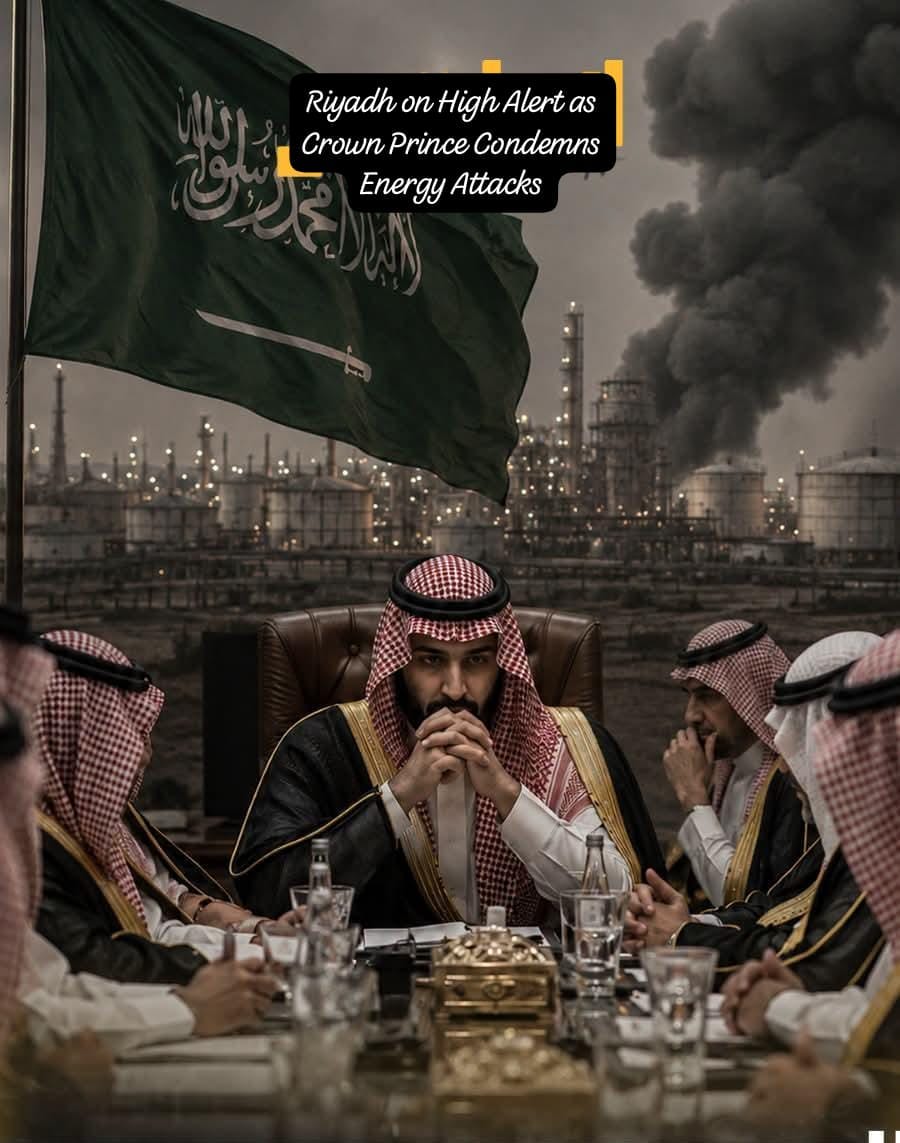
The issue dominated a Saudi Cabinet meeting chaired by Crown Prince Mohammed bin Salman, where ministers strongly condemned the attacks and reaffirmed the Kingdom’s commitment to protecting its sovereignty and critical energy infrastructure.