
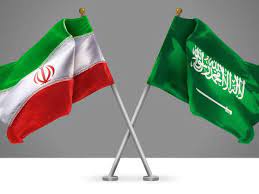

Riyadh -UNS: : The Saudi cabinet has called for resolving the Iran-US war through negotiations, underscoring that dialogue remains the most effective path to ending the conflict and restoring regional stability. During a cabinet meeting chaired by Crown Prince Mohammed bin Salman, ministers stressed the importance of reducing tensions across […]
ME
The United States, despite possessing greater wealth and formidable innovative capacity, repeatedly diverted enormous resources toward overseas wars, military deployments and the maintenance of global strategic dominance.
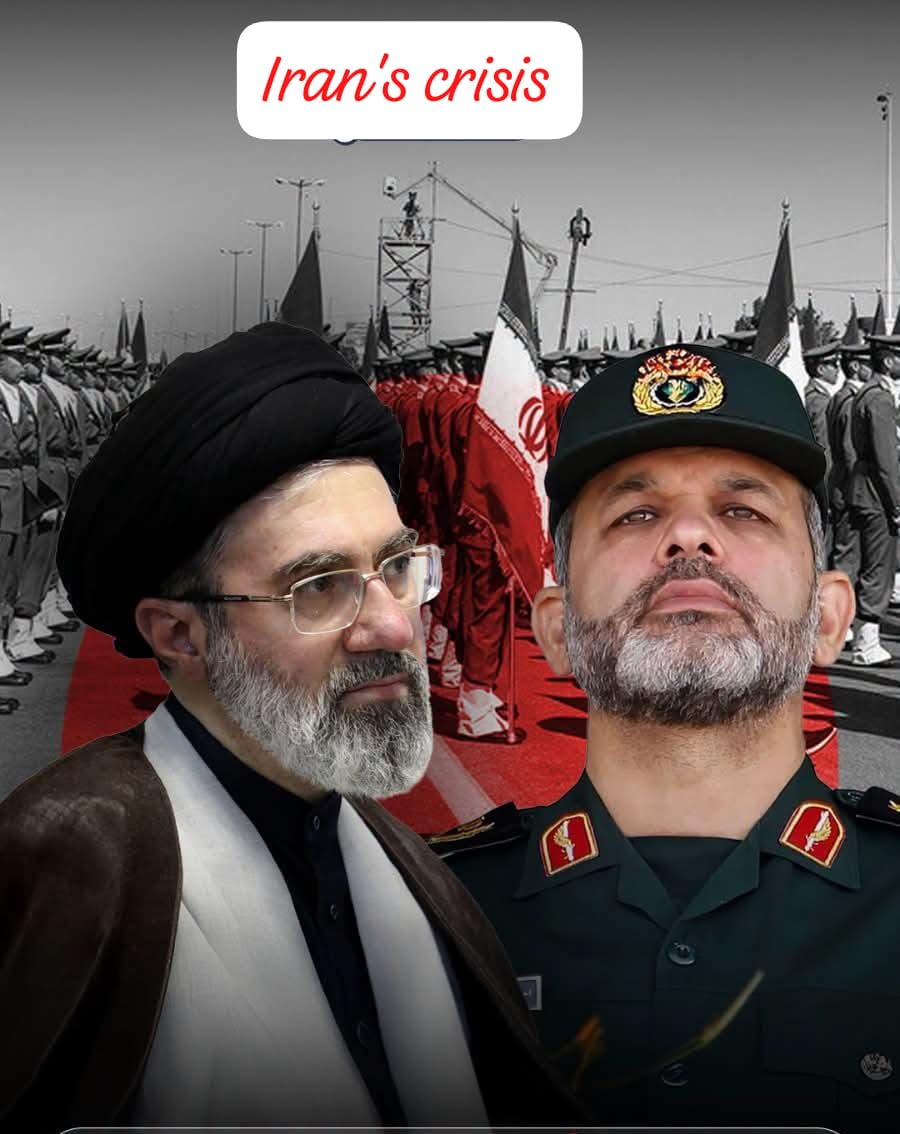
By Qamar Bashir Press Secretary to the President (Rtd) Former Press Minister, Embassy of Pakistan to France Former Press Attaché to Malaysia Former MD, SRBC | Michigan, USA The Iran war began with the expectation that overwhelming American and Israeli firepower would bring Tehran to its knees within days. Instead, the conflict has entered its sixth month. While the United States and Israel continue to claim tactical victories, Iran appears to be winning strategically. Political scientist Professor Robert Pape draws a clear distinction between tactical destruction and strategic success. He argues that Iran is winning because it retains decisive leverage over the Strait of Hormuz and has demonstrated its ability to threaten and disable American military installations throughout the region. Pape’s most provocative assessment is that the war is transforming Iran into a potential “fourth center of global power,” alongside the United States, China and Russia. His argument rests not on the number of aircraft, ships or military bases Iran possesses, but on Tehran’s demonstrated ability to absorb massive attacks, preserve its political system, continue retaliating and deny a superpower the achievement of its declared objectives. The underlying lesson is difficult to dismiss: a middle power has absorbed immense punishment while preventing the world’s most powerful military alliance from forcing it into submission. If Iran can withstand such pressure, the consequences for the credibility of American power become even more profound when one imagines a future confrontation with China, or with China and Russia acting together. Ironically, as happened during an earlier phase when the United States reportedly faced shortages of critical weapons and ammunition, Washington has once again paused its attacks. Critics and analysts believe that this pause may not represent a genuine change of policy, but an attempt to gain time, replenish depleted stocks, complete military preparations and prepare for another escalation. Iran, meanwhile, has made the United States largely irrelevant to the discussions currently taking place between Tehran and Muscat. Iran has characterized these negotiations as bilateral talks with Oman concerning a mechanism for managing maritime passage through the Strait of Hormuz. This places Tehran at the center of any workable arrangement, with Oman as its negotiating partner, while Washington remains outside the formal discussions and dependent upon regional mediators. The Gulf governments have also discovered the limitations of relying upon American military bases for their security. Those bases were established to deter aggression, project American power and reassure their host governments. Instead, they became magnets for Iranian missiles and drones. After witnessing their vulnerability, the Gulf states are now asking a disturbing question: if these American bases cannot defend themselves, how can they be expected to defend their host countries? This vulnerability helps explain why Gulf leaders reportedly pressed President Donald Trump to postpone further attacks on Iran. They understood that American strikes against Iranian power grids, desalination plants, oil installations and civilian infrastructure could invite retaliation against comparable facilities throughout the Arabian Peninsula. Nevertheless, concerns remain about President Trump’s intentions. Russian security officials have warned that Washington and Israel may be contemplating a ground operation under the cover of ceasefire diplomacy. According to this assessment, negotiations could be used to keep Iran and the wider region relatively calm while the Pentagon completes its military buildup. Widely circulated reports claim that more than 50,000 American troops, including approximately 2,500 Marines, over 1,200 personnel from the 82nd Airborne Division and specialized forces, have been positioned in the region. The same reports cite hundreds of military aircraft and more than 20 naval vessels deployed near Iran. These figures have been presented by the analysts and outlets reporting the alleged preparations for a possible ground campaign. Pape describes the resulting American dilemma as an “escalation trap.” If Washington continues fighting, it risks further casualties, regional retaliation, economic disruption and horizontal expansion of the conflict. If it withdraws without achieving its declared objectives, it must acknowledge that overwhelming military force failed to produce political submission. Pressure for a ground intervention may therefore increase precisely because the air campaign has not delivered a decisive strategic outcome. The war has also reached American homes through economic disruption and, potentially, cyberspace. Federal investigators have examined cyberattacks against water systems in seven American states, with Iran reportedly among the suspected perpetrators. Representative Seth Moulton, a retired Marine and member of the House Armed Services Committee, described such an attack—if Iranian responsibility is established—as “an escalation of war.” He argued that Iran’s cyber capabilities were predictable and that Washington should have protected critical American infrastructure before entering a war against a state capable of retaliating through unconventional means. The verified domestic economic damage is already serious. A Reuters/Ipsos survey placed Trump’s approval rating at 35 percent, near the lowest point of his presidency. American gasoline prices have risen by more than 25 percent since the war began, while Democrats have moved narrowly ahead of Republicans on the question of economic management. The World Bank has reduced its projected global growth rate for 2026 from 2.9 percent to 2.5 percent, citing the Middle East conflict, rising energy prices, inflation and higher borrowing costs. The European Central Bank has similarly reported that the war has depressed household confidence and consumption across the eurozone. Thus, countries that neither initiated nor participated in the conflict are nevertheless being forced to pay its economic price. Washington must therefore confront the question it has repeatedly avoided: whose strategic objectives is America now serving? Benjamin Netanyahu spent decades warning against Iran and pressing successive American administrations to dismantle its nuclear, missile and regional capabilities. Israel initiated the confrontation that Washington subsequently embraced, yet the United States now carries much of its military, economic, diplomatic and political burden. Meanwhile, Netanyahu’s government continues its operations in Gaza, entrenches Israeli control in the West Bank and pursues its objectives in southern Lebanon. As the United States remains consumed by the Iran war and the Strait of Hormuz crisis, Israel continues advancing the territorial and ideological objectives associated by its critics with the project of a “Greater Israel.” The International Criminal Court has issued arrest warrants alleging that Netanyahu and former Israeli defence minister Yoav Gallant bear criminal responsibility for war crimes and crimes against humanity. The warrants have intensified demands that Netanyahu be held legally accountable for Israel’s conduct in Gaza. New York Mayor Zohran Mamdani has acknowledged that his city lacks the independent legal authority to execute the ICC warrant. He has therefore called upon the federal government to arrest Netanyahu if the Israeli prime minister enters the United States. Tucker Carlson has amplified Mamdani’s broader argument, declaring that Netanyahu has become a liability to both Israel and the United States and that Washington’s “blank cheque” policy must end. Carlson has urged other American politicians to show similar courage and reconsider a relationship in which American taxpayers finance Israeli policies while the United States bears the military, diplomatic and economic consequences. Mamdani’s intervention expresses a widening demand for accountability: an alliance must not mean immunity, and friendship must not require one country to inherit another government’s wars. In this interpretation, Netanyahu’s removal or prosecution would not by itself resolve every regional dispute, but it could remove a major driver of continuing escalation. America’s choice is no longer between victory and negotiation. It is between negotiated de-escalation and an expanding war in which every participant loses—even if Israel, at least for the moment, loses the least.
By Qamar Bashir Press Secretary to the President (Rtd) Former Press Minister, Embassy of Pakistan to France Former Press Attaché to Malaysia Former MD, SRBC | Michigan, USA By any historical measure, modern wars are rarely confined to the battlefield. They reshape economies, redirect national priorities, disrupt global trade, and impose costs on countries far removed from the front lines. The Iran war is proving to be no exception. While headlines have understandably focused on military operations and diplomatic tensions, a quieter story has unfolded in financial markets, shipping lanes, energy supplies, and national budgets across the world. As of 1 August 2026, available official figures and independent economic analyses suggest that the financial consequences of the conflict have spread well beyond the principal participants. The most striking feature is that the cumulative economic burden appears to have fallen not only on the combatants but also on governments, businesses, and consumers around the globe. Estimates compiled by international research organizations indicate that the global economic impact may already range between US$1.5 trillion and US$2.2 trillion, although these remain estimates rather than official totals. It is important to distinguish between official figures, which have been released by governments, and independent estimates, which attempt to quantify broader economic consequences. This distinction is essential because many governments have not published comprehensive wartime expenditure reports, and indirect economic losses are inherently more difficult to measure than direct military spending. Among the countries directly involved, the United States is the only nation that has publicly disclosed a substantial official estimate of its military expenditure. According to the U.S. Department of Defense, direct military operations connected with the conflict had cost approximately US$37.5 billion by late July 2026. This figure reflects operational expenses, deployment costs, munitions, logistics, and related military activities. It does not include broader economic effects such as inflation, higher energy prices, or lost economic output. Independent economic analysts estimate that when these wider effects are considered, the overall economic impact on the United States could reach between US$140 billion and US$240 billion. These estimates incorporate increased defense appropriations, disruptions to energy markets, higher transportation costs, and slower economic growth. While these figures are not official government statistics, they are broadly consistent with assessments published by defence economists and international policy institutes. For Iran, the financial picture is far less transparent. Tehran has not released an official estimate of its direct military expenditure during the conflict. However, Iranian officials have publicly claimed that the country’s overall economic losses—including infrastructure damage, reduced oil exports, sanctions, currency depreciation, and broader economic disruption—amount to approximately US$270 billion. Independent verification of this figure remains limited, and analysts caution that it should be treated as a government estimate rather than an independently audited assessment. Nevertheless, there is broad agreement that Iran has suffered severe economic damage extending well beyond military expenditure alone. Israel’s financial costs have also attracted considerable attention. Unlike the United States, Israel has not published a comprehensive official estimate covering the total cost of the war. Independent analyses and Israeli media reports generally place direct military expenditure between US$11 billion and US$15 billion, while estimates of the wider economic impact range between US$31 billion and US$55 billion. These estimates include reserve mobilization, disruptions to commercial activity, tourism losses, and increased security expenditure. The comparison between these figures has generated debate among economists and geopolitical analysts. Based on current public estimates, Israel’s total economic burden appears smaller than the estimated costs borne by Iran and substantially below the broader global economic losses associated with the conflict. However, this observation should not be interpreted as a definitive conclusion about which country has been “least affected.” Different governments report wartime costs differently, methodologies vary, and many long-term costs—including reconstruction, investment losses, and demographic impacts—cannot yet be accurately quantified. Perhaps the most significant economic consequences have been felt beyond the countries directly engaged in the conflict. The Gulf Cooperation Council (GCC) states have experienced considerable financial disruption despite not being primary combatants. Higher insurance premiums, interruptions to shipping through the Strait of Hormuz, increased defence spending, and reduced investor confidence have affected the region’s economies. Current estimates suggest combined GCC economic losses of approximately US$150 billion to US$200 billion, with Saudi Arabia and the United Arab Emirates accounting for the largest share. The Strait of Hormuz remains central to understanding why the conflict has had such widespread consequences. As one of the world’s most strategically important maritime routes for oil and liquefied natural gas exports, even limited disruption has reverberated through international energy markets. Higher freight charges, increased marine insurance premiums, and uncertainty in commodity markets have translated into higher fuel costs and inflation across multiple continents. Businesses have faced rising production expenses, while consumers have borne the impact through more expensive transportation, electricity, and imported goods. Europe has likewise experienced significant economic pressure, primarily through higher energy prices, increased defence commitments, and slower industrial growth. Asian economies, heavily dependent on imported energy and maritime trade, have encountered similar challenges. Airlines have been forced to reroute flights, shipping companies have absorbed higher operational costs, and manufacturers have contended with renewed supply-chain disruptions. The cumulative impact illustrates how regional conflicts can rapidly evolve into global economic events. Several international economic analyses estimate that disruptions to trade, higher energy costs, inflation, increased defence expenditure, aviation losses, and weaker global growth together account for the estimated US$1.5 trillion to US$2.2 trillion impact on the world economy. These figures are necessarily approximate and depend upon assumptions regarding the duration of the conflict, future energy prices, and broader macroeconomic conditions. Nevertheless, they underscore the scale of the indirect costs that extend far beyond military budgets. The Iran war therefore highlights an increasingly important feature of twenty-first-century conflicts: the economic burden is distributed internationally rather than remaining confined to the countries at war. Financial markets, multinational supply chains, energy infrastructure, and global commerce ensure that military confrontations now have worldwide economic repercussions. Nations with no direct military involvement may nevertheless experience slower growth, higher inflation, and increased fiscal pressure. This reality should encourage policymakers and observers alike to evaluate conflicts not only through military or diplomatic lenses but also through their wider economic consequences. The available evidence suggests that the true cost of modern warfare cannot be measured solely by missiles launched or territory gained. It must also account for lost economic opportunities, weakened investment, disrupted trade, higher living costs, and diminished global growth. As additional official data become available over the coming months and years, current estimates will undoubtedly be revised. Until then, careful distinction between verified official figures and informed economic estimates remains essential. What is already clear, however, is that the financial consequences of the Iran war extend far beyond the battlefield. Whether measured in billions spent on military operations or trillions lost through economic disruption, the conflict has become a reminder that in an interconnected global economy, the costs of war are seldom borne by the combatants alone.
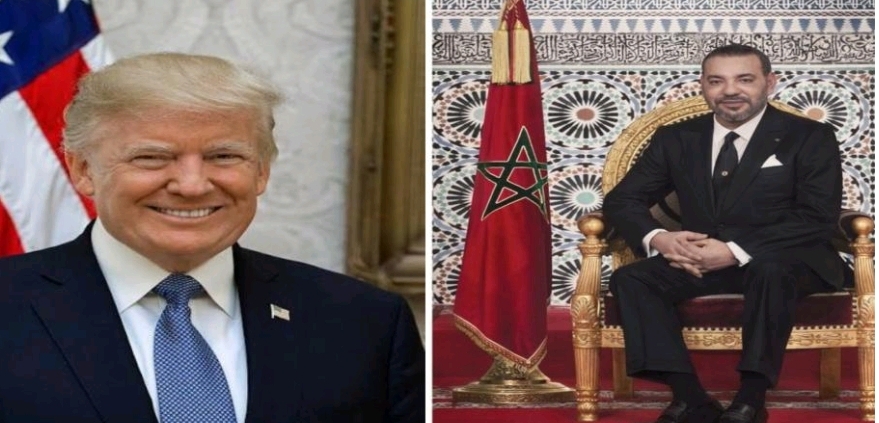
Perfect Illustration of Deep Mutual Esteem Between HM the King and Trump

UNS: Saudi Crown Prince Mohammed bin Salman has consistently been seen wearing a striking Hublot Big Bang Tourbillon during international summits, official state visits, and major economic forums, making the luxury timepiece a recognizable part of his public image. Widely identified as a Hublot Big Bang Tourbillon, the watch is […]
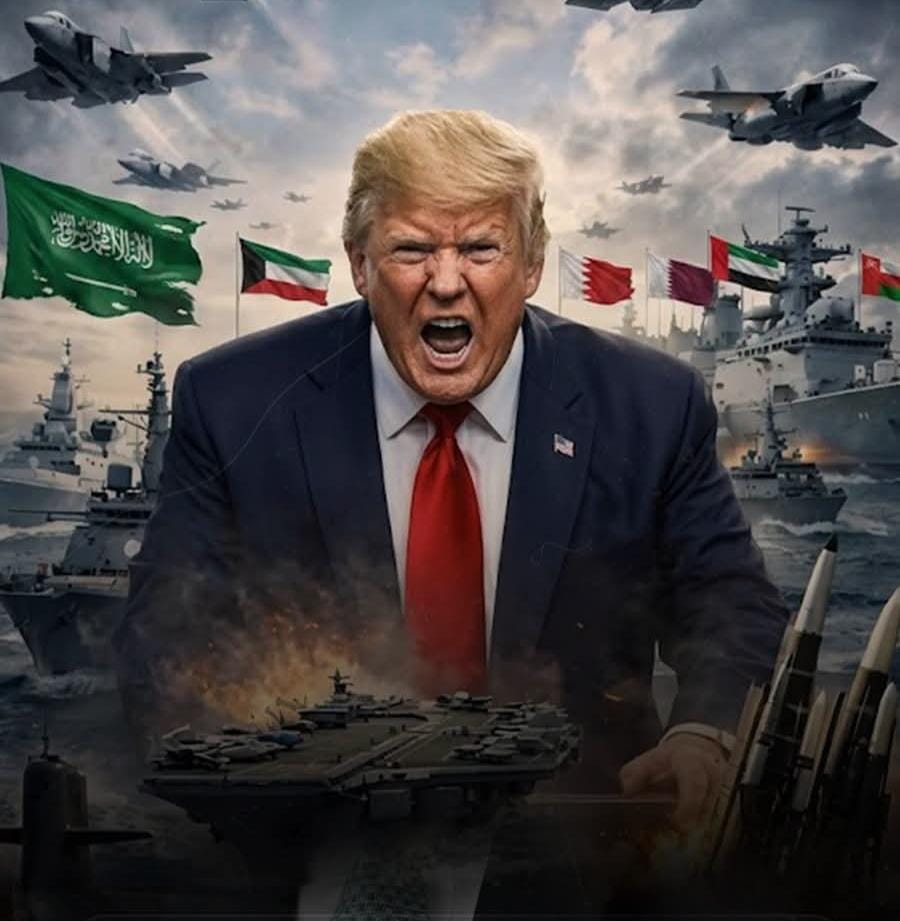
President Trump has previously warned that any Iranian attack on American or allied vessels in the Strait of Hormuz could trigger strikes against infrastructure inside Iran
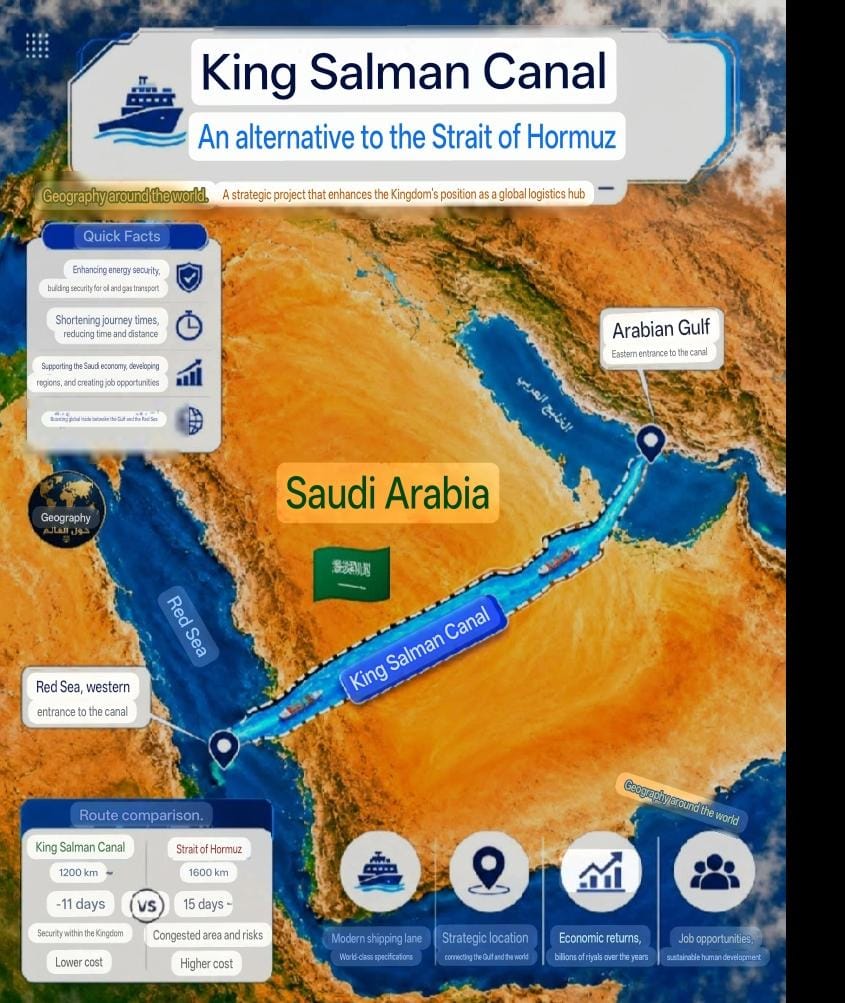
RIYADH -UNS: A proposed infrastructure concept known as the Salman Canal has drawn attention for its potential to reshape regional logistics and maritime trade by creating a navigable waterway across Saudi Arabia. The proposal envisions the construction of an approximately 950-kilometre canal connecting the Arabian Gulf to the Red Sea […]
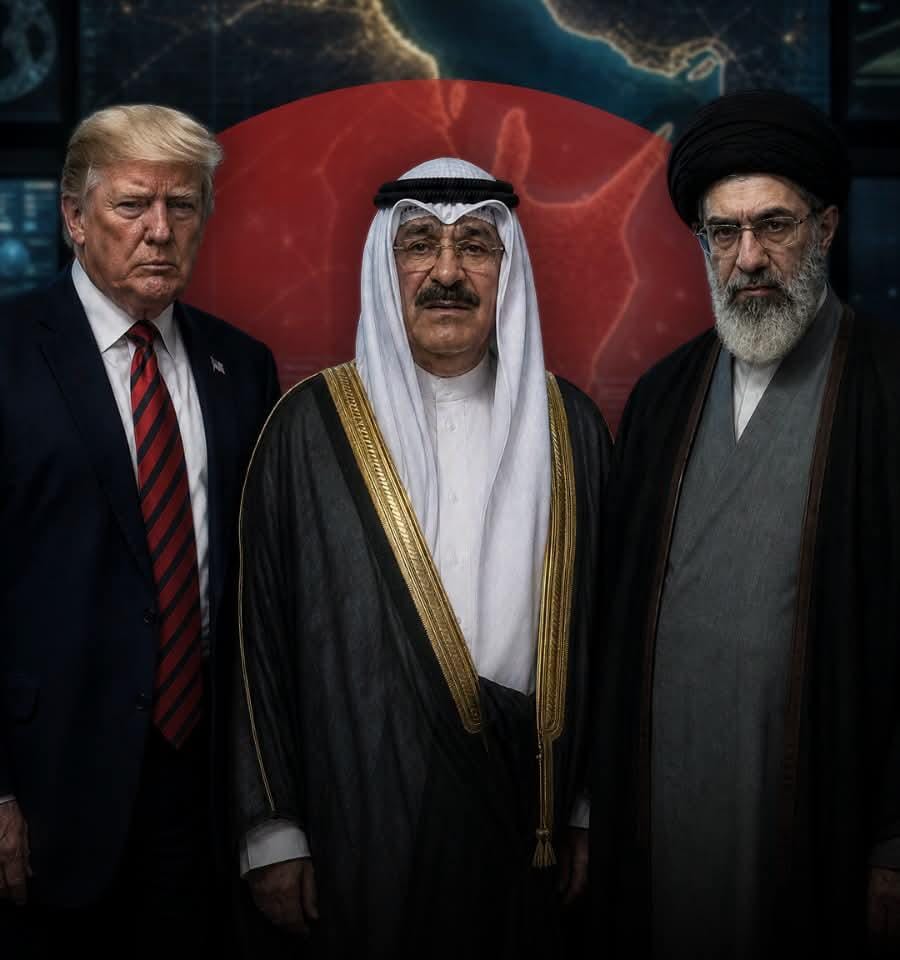
Is Washington Leaving Kuwait?

Military Repositioning Reflects Operational Priorities, Not a U.S. Withdrawal from the Gulf