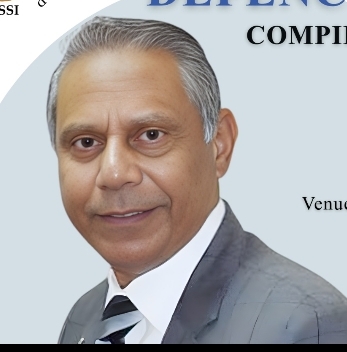
By Zahid Nasim Khattak
Once a lively centre of entertainment and social life, the NAFDEC Cinema Complex in Sector F-6 now stands in a state of neglect, reflecting the gradual erosion of Islamabad’s public cultural spaces.
Situated in one of the capital’s most valuable commercial districts, the complex represents not only a lost chapter of the city’s cinematic history but also an underutilised urban asset with significant redevelopment potential.
The cinema was established during a period when Islamabad was being shaped as a planned capital with dedicated spaces for recreation and culture.
Plots were allocated for cinemas to ensure affordable and accessible entertainment for residents.
For many years, NAFDEC Cinema fulfilled this role, serving as a venue for film screenings and social interaction.
However, changing entertainment trends, a decline in local film production, and security challenges led to the gradual closure of cinema houses across the city, including NAFDEC.Today, the complex presents a picture of deterioration.
The building structure shows visible signs of decay, while the surrounding area lacks maintenance and purposeful use.
What was once a vibrant public space has become a silent structure, contributing little to the social or economic life of the locality.
This neglect stands in contrast to the high commercial value of Sector F-6 and the growing demand for quality public and cultural facilities in the capital.
Beyond its physical condition, the cinema complex carries cultural significance.
Cinemas historically served as shared social spaces where families, students, and working professionals gathered.
Their disappearance has narrowed the city’s cultural choices, leaving Islamabad largely dependent on high-end private cinemas located within shopping malls.
The loss of independent cinema spaces has also limited opportunities for showcasing Pakistani films and hosting cultural events.
Urban planners and cultural commentators argue that the revival of such spaces could help restore balance between commercial development and community life.
The rehabilitation of the NAFDEC Cinema Complex offers a practical opportunity to achieve this balance while creating a financially sustainable facility.
A comprehensive rehabilitation plan could transform the complex into a modern multi-purpose cultural centre.
This could include updated cinema halls, spaces for film festivals and public lectures, and areas for cafés, bookshops, and small galleries. Such a mixed-use model would ensure commercial viability while preserving the original purpose of the site as a cultural venue.
The project could be undertaken through a public-private partnership, allowing private investment in construction and management while ensuring public oversight over land use and pricing.
This approach would reduce the financial burden on the public exchequer and provide a transparent framework for long-term operation. Revenue generated through ticket sales, rentals, and commercial outlets could make the facility self-sustaining and profitable.
The benefits of rehabilitation would extend beyond cultural revival. The project could generate employment, increase footfall in the F-6 commercial area, and enhance Islamabad’s image as a city that values art and community spaces.
For the Capital Development Authority, it would represent the productive use of a high-value property while aligning with the broader objective of planned urban development.
In its current condition, the NAFDEC Cinema Complex symbolises neglect and missed opportunity. With thoughtful planning and transparent execution, it could instead become a landmark of cultural renewal.
Reviving this site would not only preserve a piece of Islamabad’s history but also create a vibrant public space for future generations.
The question facing policymakers is not whether the complex should be restored, but whether the city can afford to allow such an important asset to remain idle.
In a capital striving to project modernity and order, the rehabilitation of the NAFDEC Cinema Complex could serve as a powerful statement of intent , that culture, public space, and economic sense can coexist in urban development.