
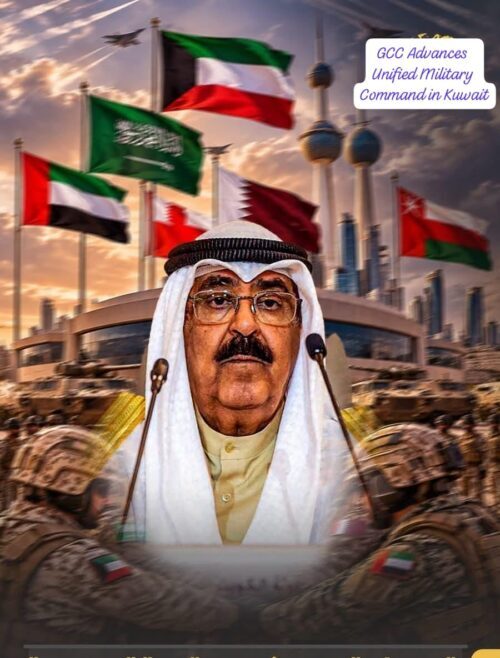

KUWAIT / RIYADH -UNS : The Gulf Cooperation Council (GCC) has announced a significant step towards strengthening collective military preparedness, with plans to establish an advanced military command centre in Kuwait and enhance operational coordination among the armed forces of member states amid escalating regional security tensions. The proposed military […]
World News
By Qamar Bashir Press Secretary to the President (Rtd) Former Press Minister, Embassy of Pakistan to France Former Press Attaché to Malaysia Former MD, SRBC | Michigan, USA The imperial ambitions that once propelled European powers across continents in pursuit of territory, wealth, natural resources and geopolitical supremacy have returned to haunt their architects. For centuries, Britain and other European powers accumulated enormous fortunes by exploiting weaker nations, extracting their resources and controlling their political destinies. The collapse of the Soviet Union presented Europe with another historic opportunity: to extend its influence eastward, weaken Russia, surround it strategically and ultimately gain leverage over its immense natural wealth. Yet the grand strategy intended to diminish Russia has produced a spectacular reversal. Russia remains standing, while Europe confronts economic difficulties, political instability, public resentment and the consequences of its own strategic miscalculations. Karl Marx recognized that capitalism possessed an extraordinary capacity to create an interconnected global economy. Markets, industries, trade routes and financial systems would eventually bind distant societies into a single economic structure. What this expansion produced, however, was an international order characterized by staggering inequalities. Western Europe, North America and Japan accumulated extraordinary wealth, while much of Asia, Africa and Latin America endured colonial exploitation, economic dependency and persistent poverty. The global economy became interconnected without becoming equitable. Its prosperity was concentrated among the powerful, while its burdens were disproportionately imposed upon the powerless. European colonialism was never merely about planting flags or establishing administrative control. Its central objective was economic extraction. Colonized territories supplied raw materials, cheap labor, captive markets and strategic routes through which imperial powers accumulated wealth. Political domination protected economic privilege, while military superiority enforced submission. The vocabulary of imperialism subsequently changed, but the pursuit of resources, markets and geopolitical advantage remained deeply embedded in international power struggles. The dissolution of the Soviet Union in 1991 fundamentally transformed Europe’s strategic landscape. Russia inherited enormous territory, substantial military capabilities, vast hydrocarbon reserves, mineral deposits, agricultural resources and a geographical position connecting Europe with Asia. Its oil, natural gas, coal, precious metals, rare-earth potential and strategic transportation corridors represented extraordinary economic and geopolitical assets. For European strategists, a weakened Russia promised a more favorable balance of power, reduced resistance to Western influence and potentially greater leverage over these resources. The subsequent enlargement of NATO and the European Union steadily shifted Europe’s political and security architecture eastward. Poland, Hungary and the Czech Republic entered NATO in 1999. Bulgaria, Romania, Slovakia and the Baltic states followed in 2004, alongside other countries. Several former Soviet-aligned states also joined the European Union. Western governments presented this expansion as the sovereign choice of countries seeking security and prosperity. Moscow increasingly interpreted the same process as strategic encirclement, the erosion of its regional influence and the gradual construction of a hostile military perimeter. Ukraine eventually became the most consequential arena of this confrontation. Its geographical position, agricultural wealth, industrial infrastructure, Black Sea access and historical connections with Russia made it strategically indispensable. A Ukraine firmly integrated into Western military structures would fundamentally alter Russia’s security environment. From Moscow’s perspective, the possibility of NATO extending its influence across Ukraine represented a direct challenge to its strategic depth and regional security. The political upheaval of 2014 intensified these tensions. The overthrow of President Viktor Yanukovych, following mass protests and political confrontation, was celebrated in Western capitals as a democratic breakthrough. Russia characterized the change as a Western-supported coup. Western political involvement and support for Ukraine’s subsequent governments reinforced Moscow’s suspicions. Volodymyr Zelenskyy’s election in 2019, however, occurred through a competitive presidential vote, rather than the 2014 uprising. Nevertheless, Ukraine increasingly became the principal battlefield of competing Russian and Western strategic ambitions. When Russia launched its full-scale invasion in February 2022, Europe and the United States mobilized enormous financial, military, diplomatic and economic resources behind Ukraine. Sanctions targeted Russian banks, energy exports, technology access and international financial transactions. Western governments expected sustained economic pressure, combined with Ukrainian military resistance, to weaken Moscow’s ability to continue the war. Some anticipated that economic isolation would eventually undermine Russia’s domestic stability and geopolitical influence. Instead, Russia demonstrated greater economic resilience than many Western policymakers anticipated. Moscow redirected substantial energy exports toward Asian markets, strengthened commercial relationships with China and India, expanded domestic military production and adapted parts of its financial system to sanctions. China became particularly important as a commercial partner and geopolitical counterweight to Western pressure. Although Russia suffered significant military losses, economic disruption and long-term technological constraints, the anticipated rapid collapse of its economy did not materialize. Europe, meanwhile, discovered that economic warfare could inflict serious costs upon those deploying it. The reduction of Russian energy supplies forced European industries and households to adjust to a fundamentally altered energy market. Germany’s energy-intensive industrial sector faced particularly severe pressures. Higher energy costs, inflation, expensive defense commitments and uncertainty over industrial competitiveness exposed vulnerabilities within economies accustomed to relatively affordable energy and stable international trade. The political consequences extended beyond economic statistics. Farmers, industrial workers, transport operators and ordinary households across European countries expressed frustration over living costs, declining purchasing power and government priorities. Demonstrations reflected numerous domestic grievances, but energy insecurity and economic pressures associated with the confrontation with Russia intensified an already difficult environment. Resources committed to military expenditure and foreign strategic objectives increasingly competed with demands for better public services, employment security and affordable living conditions. Donald Trump’s approach to Ukraine further complicated Europe’s calculations. His insistence that European governments assume greater responsibility for their own security exposed the continent’s longstanding dependence upon American military power. Washington’s shifting commitment created uncertainty over the durability of Western support for Kyiv. Europe found itself confronting the possibility of sustaining an expensive confrontation with Russia without the same degree of dependable American leadership and assistance. The irony is striking. European powers that once dictated the destinies of distant nations now struggle to control the consequences of their own geopolitical ambitions. A strategy intended to isolate Russia has encouraged Moscow to deepen relationships outside the Western economic system. The emergence of BRICS and the growing influence of China illustrate a broader international movement toward alternative commercial and diplomatic arrangements. The Western monopoly over global economic decision-making is increasingly contested. Russia has not emerged unscathed, nor has Europe alone determined the course of the conflict. Nevertheless, the confrontation demonstrates the limitations of attempting to impose geopolitical outcomes through military alliances, economic coercion and strategic pressure. The belief that a major nuclear power possessing vast resources, territorial depth and powerful international partnerships could be economically strangled into submission has proved dangerously simplistic. The lesson extends far beyond Russia and Ukraine. Britain, Europe and the United States must confront the declining effectiveness of imperial habits in a world where formerly subordinated nations possess growing economic, technological and diplomatic influence. Threatening territories, expanding military commitments and attempting to police the international system cannot indefinitely substitute for domestic prosperity and political legitimacy. The time has arrived for Western governments to abandon the illusion that global supremacy guarantees national well-being. Their foremost responsibility is not to control Russia’s resources, redraw geopolitical boundaries or perpetuate confrontations across continents. It is to improve the lives of their own citizens through affordable energy, productive industries, quality healthcare, education, housing and economic security. Europe attempted to weaken Russia through a geopolitical chess game, only to discover that the board could turn against its own players. The greatest victory now available to Europe and America is not the subjugation of another nation, but the restoration of prosperity, stability and dignity to their own people.

JEDDAH -UNS : The Consulate General of India in Jeddah has hosted a Diwali dinner at the residence of Consul General Shri Fahad Suri, bringing together members of the Indian diaspora and selected local guests in an event presented as a celebration of cultural traditions and an expression of the […]
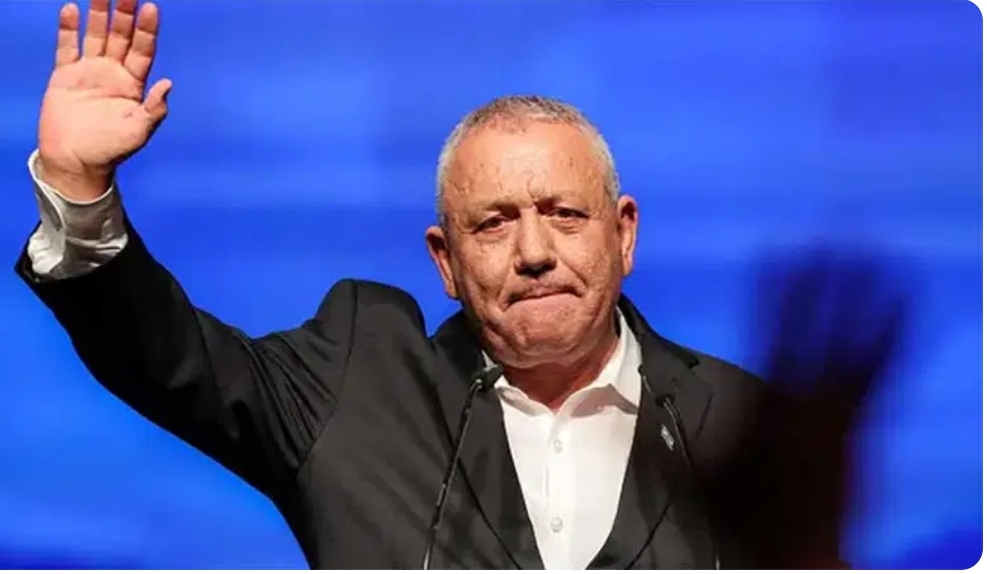
UNS: Israel’s President Isaac Herzog has selected opposition leader Gadi Eisenkot to form a new government following a deadlocked election that left neither him nor Prime Minister Benjamin Netanyahu with a clear path to power. Herzog’s office said he informed Eisenkot, leader of the Yashar party, on Saturday night of […]
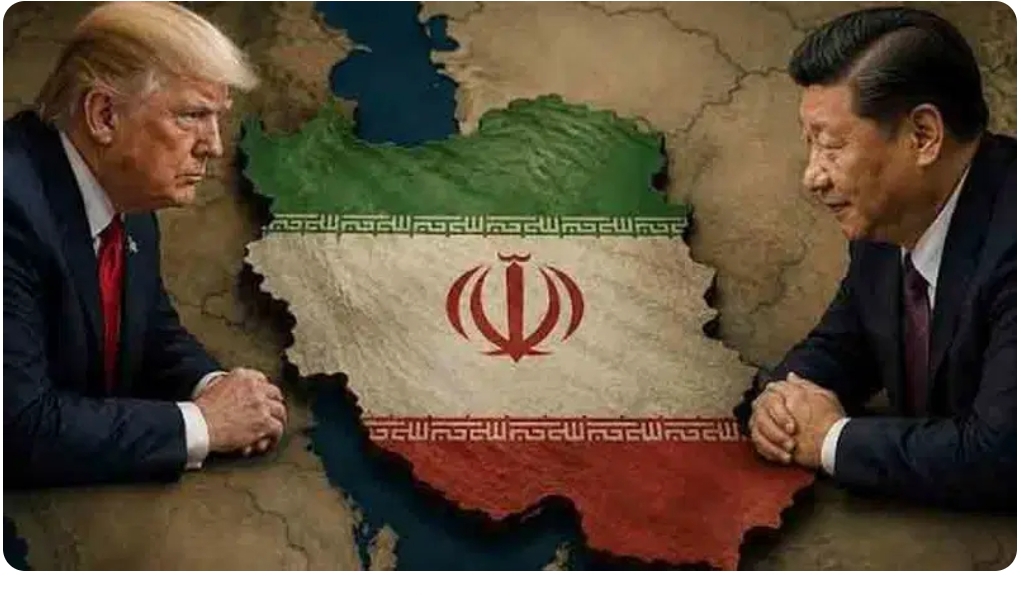
WASHINGTON (UNS) : The United States has reportedly approached China, seeking its assistance in bringing an end to the ongoing conflict with Iran, as diplomatic efforts continue amid claims of progress in negotiations between Washington and Tehran. According to a report published by The Washington Post, US Treasury Secretary Scott […]
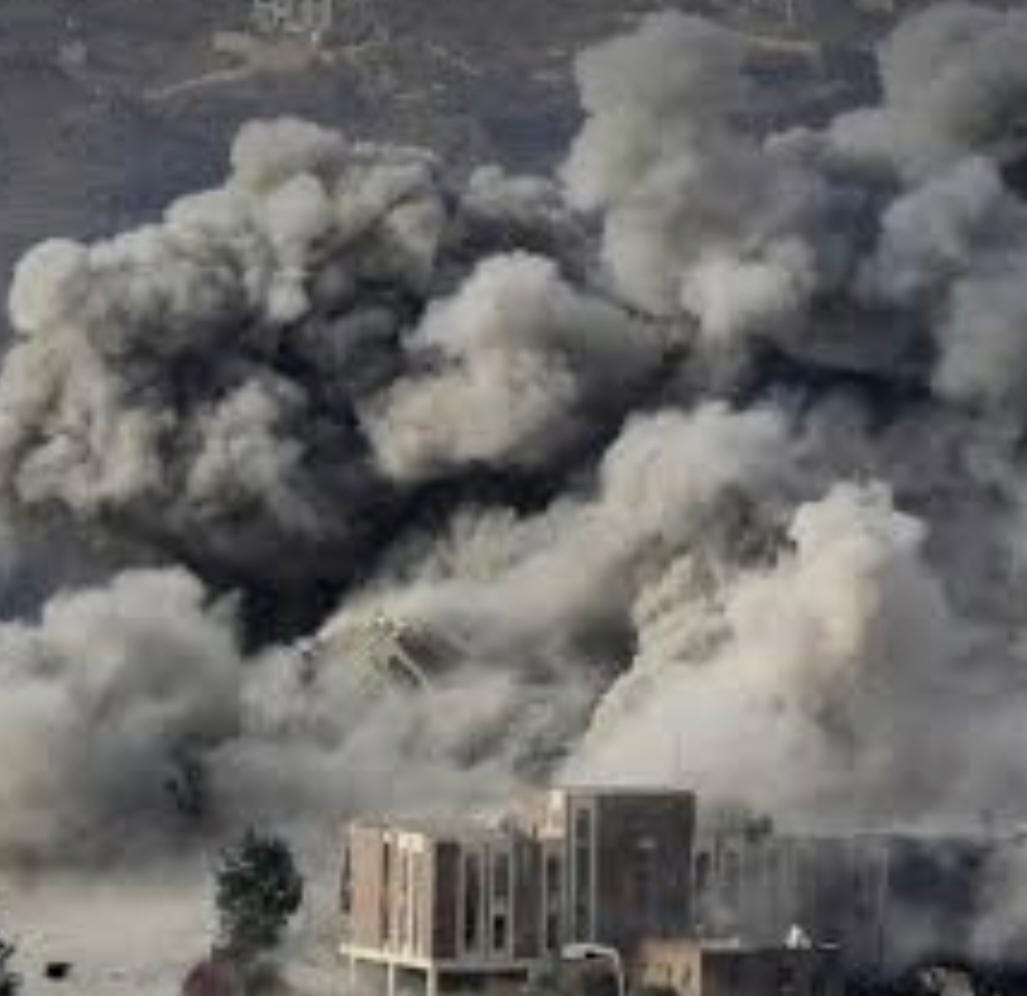
TAIZ, Yemen-UNS:Deadly strikes reported at Al-Hadara Market.At least 25 people were reportedly killed and 40 others injured in three consecutive airstrikes attributed to the Saudi-led coalition on Al-Hadara livestock market in the Al-Wazi’iyah district of southwestern Taiz Governorate, according to preliminary reports from local sources. The strikes reportedly occurred during […]

UNS- Republicans Suffer Midterm Losses Over Trump’s Economic Policies, Poll Shows US President Donald Trump faced a major political setback in the midterm elections as rising inflation and growing economic concerns contributed to significant Republican losses in House, Senate and gubernatorial races. According to The AP Voter Poll, a survey […]
By Qamar Bashir Press Secretary to the President (Rtd) Former Press Minister, Embassy of Pakistan to France Former Press Attaché to Malaysia Former MD, SRBC | Michigan, USA History has delivered a devastating irony to Donald Trump and Benjamin Netanyahu. The two leaders who unleashed a war intended to destroy Iran’s military capabilities, strangle its economy and ultimately dismantle its political system now confront the consequences of their own strategic miscalculation. Iran, despite enduring overwhelming military pressure, punishing economic sanctions and relentless international isolation, remains standing. Meanwhile, Trump has lost Republican control of both chambers of Congress, and Netanyahu is struggling to assemble a parliamentary majority. What began as a campaign to determine who would govern Tehran has become a political nightmare threatening the authority of those who sought its destruction. Iran’s extraordinary achievement is not merely that it survived the military and economic onslaught, but that its resistance helped transform the war into a political liability for its adversaries within their own countries. The confrontation exposed the dangerous distinction between military superiority and strategic success. American and Israeli forces possessed extraordinary technological advantages, sophisticated intelligence networks, advanced aircraft and formidable missile-defense systems. Yet none of these advantages guaranteed the political outcome their leaders anticipated. Iran absorbed devastating attacks while preserving its governing institutions, retaining retaliatory capabilities and refusing to accept externally imposed political surrender. Iranian missiles and drones repeatedly challenged Israel’s defenses, disrupted economic activity and forced civilians into shelters. The psychological consequences were substantial. A country accustomed to projecting overwhelming military superiority discovered that technological sophistication could not guarantee immunity from sustained retaliation. American military installations throughout the region also faced threats, demonstrating the vulnerability of forward-deployed forces and the countries hosting them. The enormous expense of missile-defense interceptors, military deployments, ammunition replenishment and prolonged operations further exposed the imbalance between the cost of attack and defense. Relatively inexpensive Iranian drones and projectiles could compel adversaries to deploy sophisticated defensive systems costing vastly more. The confrontation therefore became not merely a contest of firepower but an exhausting struggle over resources, endurance and political determination. Ultimately, the decisive question was whether the military campaign achieved its central objectives. Iran’s political system survived. Its missile capabilities were not eliminated. Its nuclear ambitions were not conclusively extinguished, and its regional influence was not permanently dismantled. The economic confrontation produced an equally remarkable reversal. For decades, Washington had attempted to compel Iranian submission through primary and secondary sanctions, financial restrictions, trade barriers and diplomatic isolation. Yet the anticipated political collapse never materialized. Despite economic hardship and internal dissatisfaction, Iran’s governing institutions endured. External military pressure also strengthened nationalist resistance among sections of the population, demonstrating that economic punishment does not necessarily translate into political capitulation. Meanwhile, the conflict unleashed economic consequences far beyond Iran’s borders. Disruptions around the Strait of Hormuz threatened global energy supplies, pushed up transportation costs and intensified inflationary pressures. American consumers confronted rising gasoline prices and household expenses, while Israeli businesses struggled with wartime disruption, security expenditures and interrupted commercial activity. European economies and regional countries that hosted American military facilities or supported the campaign also encountered the consequences of energy insecurity, disrupted shipping and higher operating costs. The economic pain that Washington intended to concentrate on Tehran spread through the international economy, reaching the households and industries of countries aligned with the United States. For Trump, this economic backlash carried particularly damaging political consequences. He had promised American voters prosperity, affordable living and an end to costly foreign entanglements. Instead, the Iran confrontation became associated with rising prices, expanding military expenditures and another prolonged Middle Eastern conflict. Every additional dollar spent on warfare invited uncomfortable questions about neglected domestic priorities. The political reckoning arrived with the November 2026 midterm elections. Democrats captured both chambers of Congress in a sweeping rejection of Republican governance. Public frustration over the cost of living, presidential conduct and the unpopular Iran war contributed to the electoral reversal. The conflict had become an electoral burden rather than the triumphant demonstration of American strength its architects had anticipated. Trump now faces the prospect of a hostile Congress armed with investigative and subpoena powers. Democratic lawmakers have signaled scrutiny of his family’s business dealings, potential conflicts of interest, immigration enforcement, Justice Department conduct, federal contracts and alleged administrative corruption. The political implications are profound. A president who previously enjoyed congressional support must now contend with lawmakers capable of obstructing his legislative priorities, investigating his administration and demanding accountability. He retains substantial executive authority, but his freedom to govern without sustained congressional resistance has been sharply curtailed. Netanyahu faces an equally uncomfortable predicament. Israel’s October 27 election left his political bloc with only 53 seats in the 120-member Knesset, eight short of a governing majority. His opponents secured 48 seats, while Arab-led parties won 19, making coalition negotiations decisive for his political survival. His predicament is compounded by longstanding corruption proceedings, controversy surrounding intelligence failures before October 7, demands for an independent inquiry and accusations that security institutions have been politicized. The Iran confrontation has added another contentious chapter to a political career built upon promises of exceptional national-security leadership. Even if Netanyahu succeeds in assembling another coalition, he could face a fragile parliamentary arrangement, intensified opposition and persistent demands for accountability. The leader who promised to eliminate Iran’s strategic threat now confronts uncertainty over his own political future. The significance of these developments extends beyond Trump and Netanyahu. They expose a fundamental limitation of coercive power: military dominance cannot guarantee political obedience, economic sanctions cannot automatically overthrow governments, and foreign adventures cannot indefinitely escape domestic accountability. A determined adversary may achieve strategic success simply by surviving long enough for the costs of aggression to overwhelm the political calculations of its attackers. In the final reckoning, Iran has transformed a war intended to destroy its military power, cripple its economy and overthrow its government into a historic strategic humiliation for its architects. Tehran frustrated the central military objectives jointly pursued by Washington and Tel Aviv, endured the crushing weight of primary and secondary sanctions, and imposed enormous economic costs on American and Israeli populations, European allies and regional countries that supported or facilitated the confrontation. But the most devastating reversal has unfolded on the political front. The Iranian government that Trump and Netanyahu […]
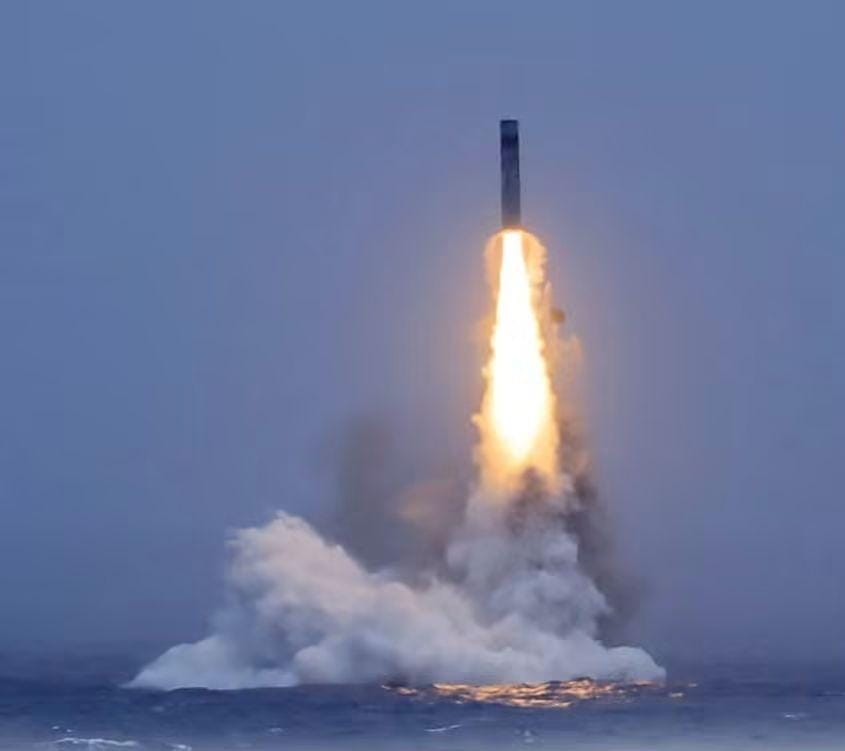
RIYADH -UNS: Saudi Arabia’s military-led coalition announced on Thursday that its air defence systems had intercepted and destroyed a ballistic missile launched by Yemen’s Iran-backed Houthi movement towards the Madinah region, amid continued exchanges of attacks between the group and the Kingdom. Coalition spokesperson Brigadier General Turki Al-Maliki confirmed the […]
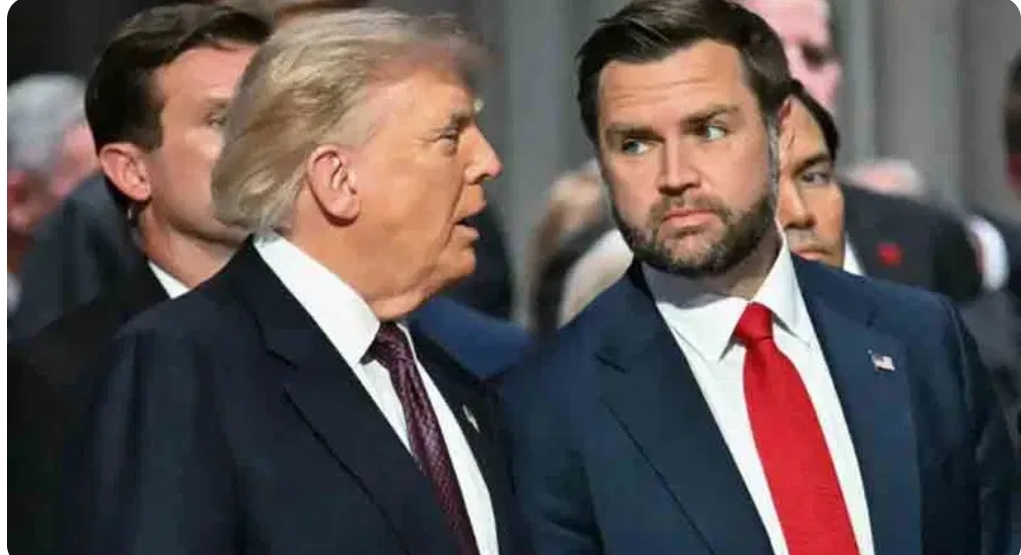
UNS- US President Donald Trump is facing growing political pressure to end the war with Iran after his Republican Party suffered a major defeat in the November 2026 midterm elections. Democrats gained control of both the Senate and the House of Representatives, weakening Trump’s political position. Trump acknowledged that the […]