


The United States and Israel with its allies in the Middle East and around the world entered the conflict with overwhelming military superiority. Since the war began, the United States and Israel have relentlessly targeted Iran’s conventional military assets expecting that sustained destruction would erode Tehran’s capacity and compel a political retreat.
Iran News

In a statement posted on X, CENTCOM said the latest wave of strikes began at 6:45 p.m. ET, describing the campaign as part of ongoing efforts to counter security threats in the region.
Fresh US strikes triggered Iranian air defence systems in Tehran, with state media reporting defensive activity in the capital as well as strikes in several parts of the country
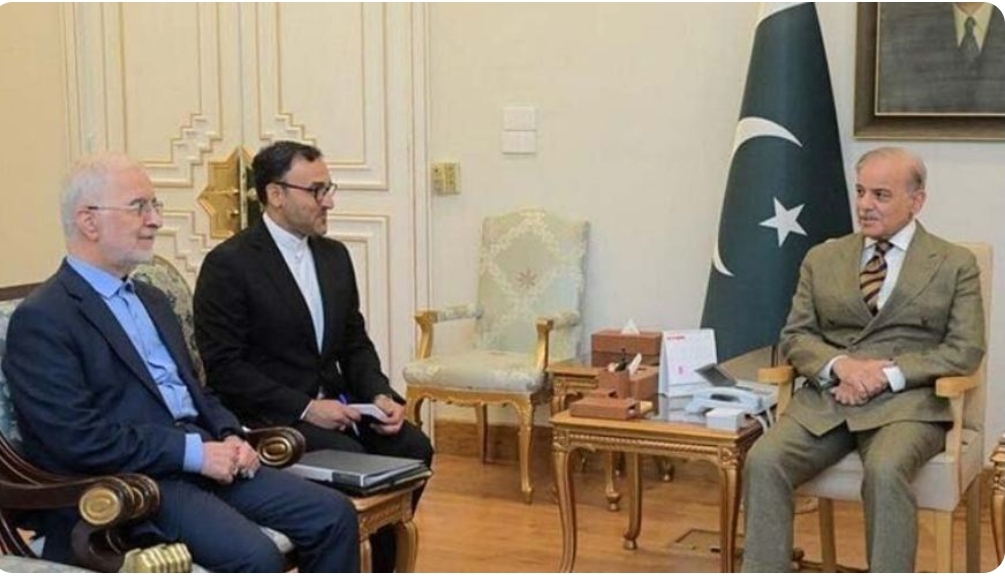
Islamabad would continue to play the role of an honest mediator and facilitator in efforts aimed at promoting regional peace, stability, and constructive engagement.
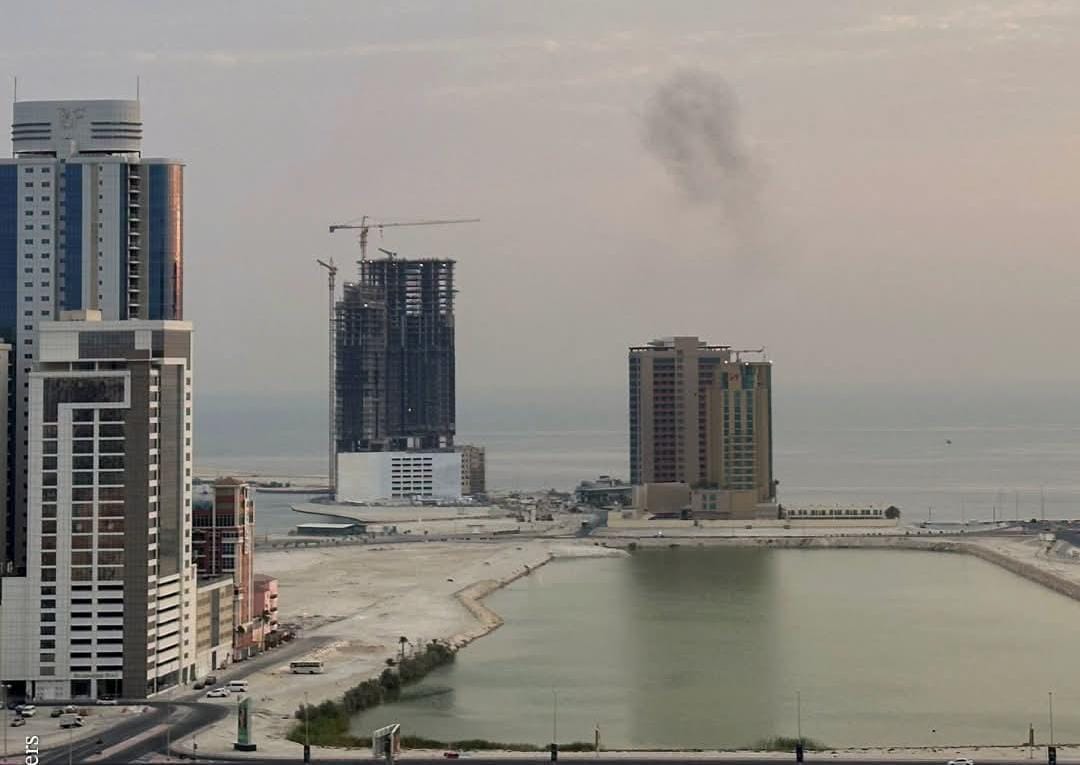
The latest escalation comes two weeks after the resumption of hostilities and renewed US military strikes, ending a brief period of relative calm in the region.
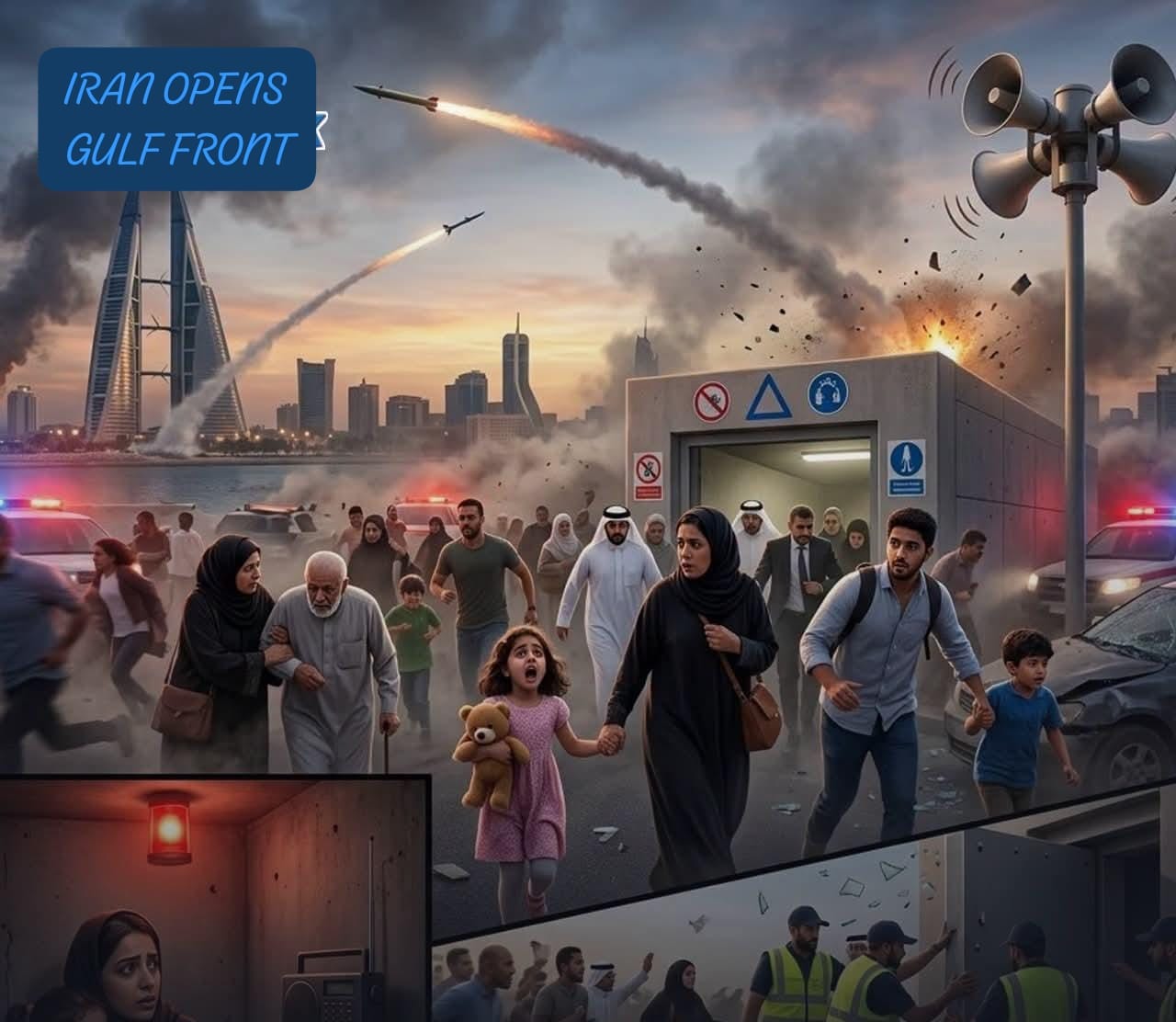
The activation of air raid sirens in Bahrain five times within a 24-hour period illustrates both the scale and persistence of the threat. Analysts believe Tehran is seeking to increase military and political pressure on the United States by targeting areas associated with American military infrastructure while avoiding direct strikes on the US mainland.
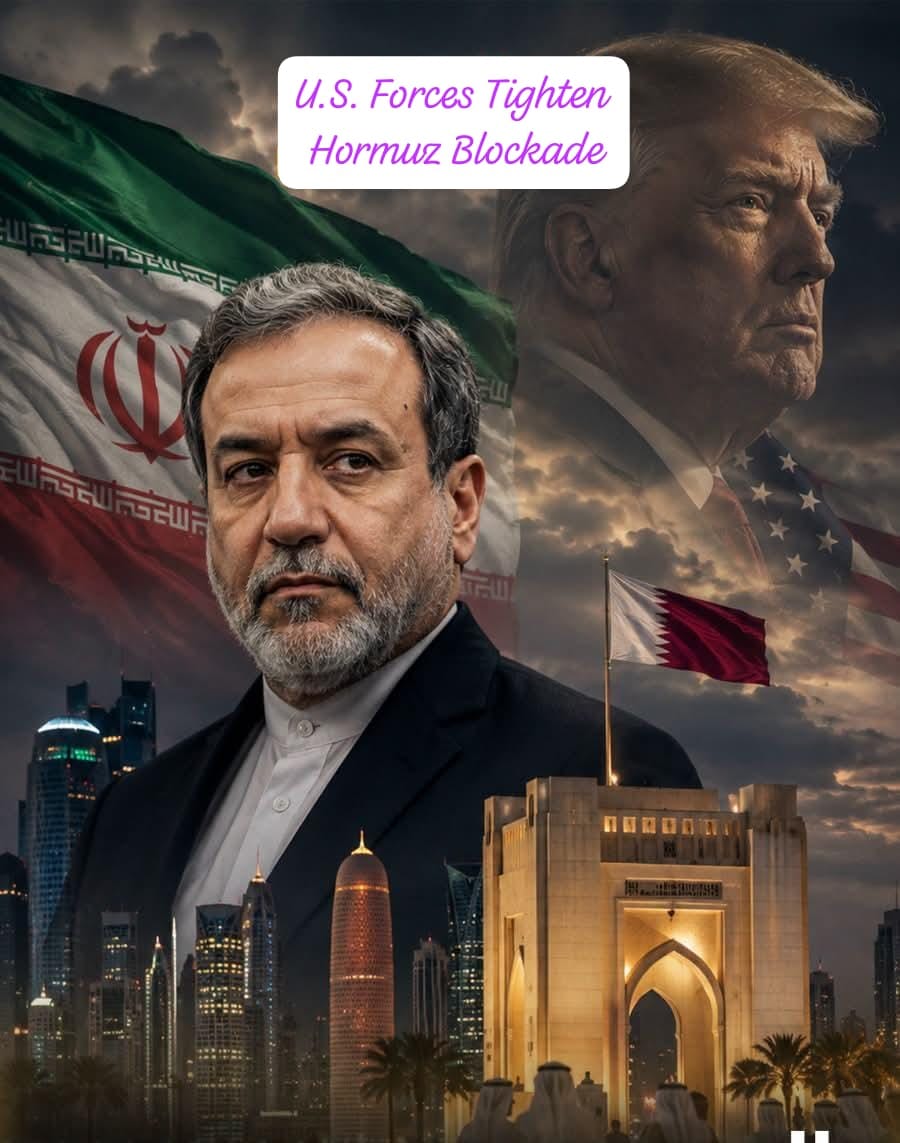
The latest developments underscore the parallel military and diplomatic strategies being pursued by both sides, raising concerns over regional stability, global energy security, and the future of Gulf maritime navigation.
Iran Threatens Wider Maritime Disruption as US Intensifies Pressure in Gulf

IRGC said the strike was conducted during the third phase of the second wave of “Operation Nasr (Victory) 2,” targeting what it described as key US military facilities and troop concentrations at an airbase in Jordan.

Ayatollah Ali Khamenei Laid to Rest in Mashhad Amid Regional Tensions and Leadership Uncertainty