UNS: Iranian strikes on the Gulf appear to have gone far beyond explosions lighting up the night sky. Newly released satellite imagery has provided a striking visual account of damage at U.S. military facilities and critical infrastructure across the region, underscoring the expanding scope of the confrontation and the vulnerability of strategic sites that have long served as key operational hubs for American forces.
In Bahrain, satellite images released by Planet Labs showed damage at facilities associated with the U.S. Fifth Fleet headquarters in Manama.
The imagery indicated impacts affecting buildings and communications infrastructure, highlighting the potential reach of the attacks against one of the most strategically important U.S. military positions in the Gulf.
In Kuwait, satellite imagery also showed varying degrees of damage to several buildings inside military installations that host U.S. forces. The reported damage raises further questions about the effectiveness of existing defenses around bases that have traditionally been regarded as critical elements of the U.S. military presence in the region.
The effects were also visible in the United Arab Emirates, where satellite imagery captured fires in the vicinity of Jebel Ali Port, one of the region’s most important commercial and logistics hubs. Abu Dhabi said its territory had come under attack by hundreds of missiles and drones, while maintaining that the overwhelming majority had been intercepted.
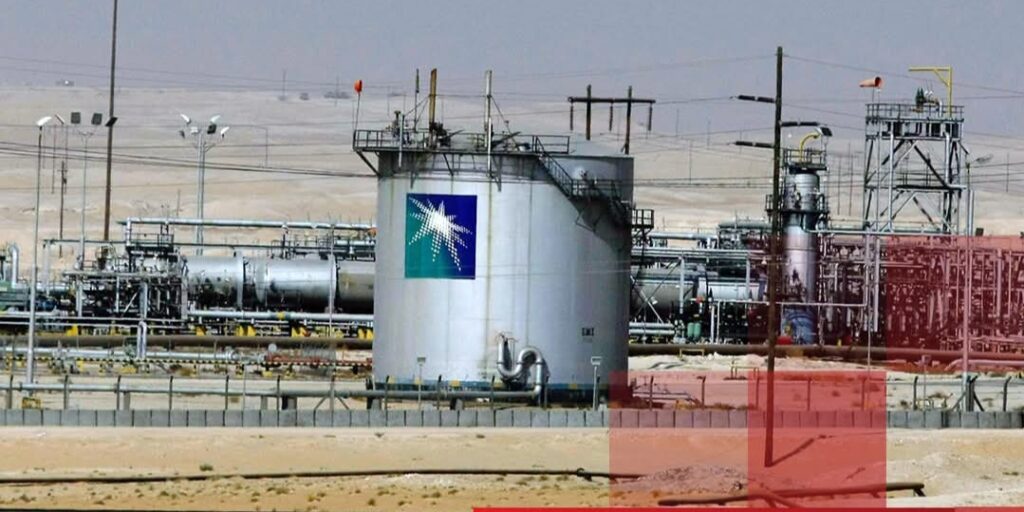
In Saudi Arabia, satellite imagery showed a fire at the Ras Tanura refinery, one of the Kingdom’s largest and most strategically significant oil-processing facilities. The Saudi Ministry of Defense said two drones had targeted the refinery but were intercepted, adding that the resulting fire was caused by debris from the interception operation.
Taken together, the satellite imagery presents a picture extending well beyond a series of isolated attacks. U.S. military bases, oil facilities, ports and other critical infrastructure have all emerged as potential targets within an increasingly contested battlespace.
The developments raise a broader strategic question: Is the Gulf moving from a period of episodic strikes and retaliation toward an open-ended regional confrontation in which military installations and critical economic infrastructure are increasingly exposed to direct attack?
The answer could have significant implications not only for the security of U.S. forces and their regional partners, but also for the stability of global energy markets, maritime trade and the wider security architecture of the Gulf.