

Iran Threatens Wider Maritime Disruption as US Intensifies Pressure in Gulf
World News

Against this backdrop, President Trump has renewed his longstanding call for America’s wealthy Gulf partners to assume a greater share of regional security costs.

IRGC said the strike was conducted during the third phase of the second wave of “Operation Nasr (Victory) 2,” targeting what it described as key US military facilities and troop concentrations at an airbase in Jordan.
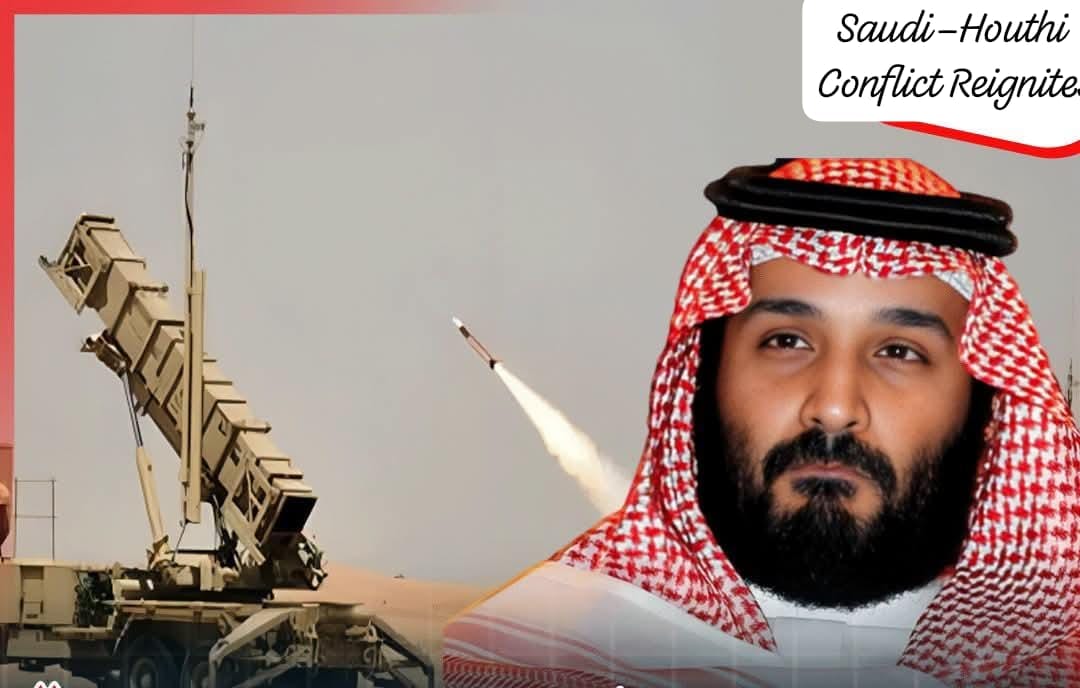
The latest tensions emerged after reports that the runway at Sanaa International Airport was targeted in an operation aimed at preventing an Iranian aircraft from landing.
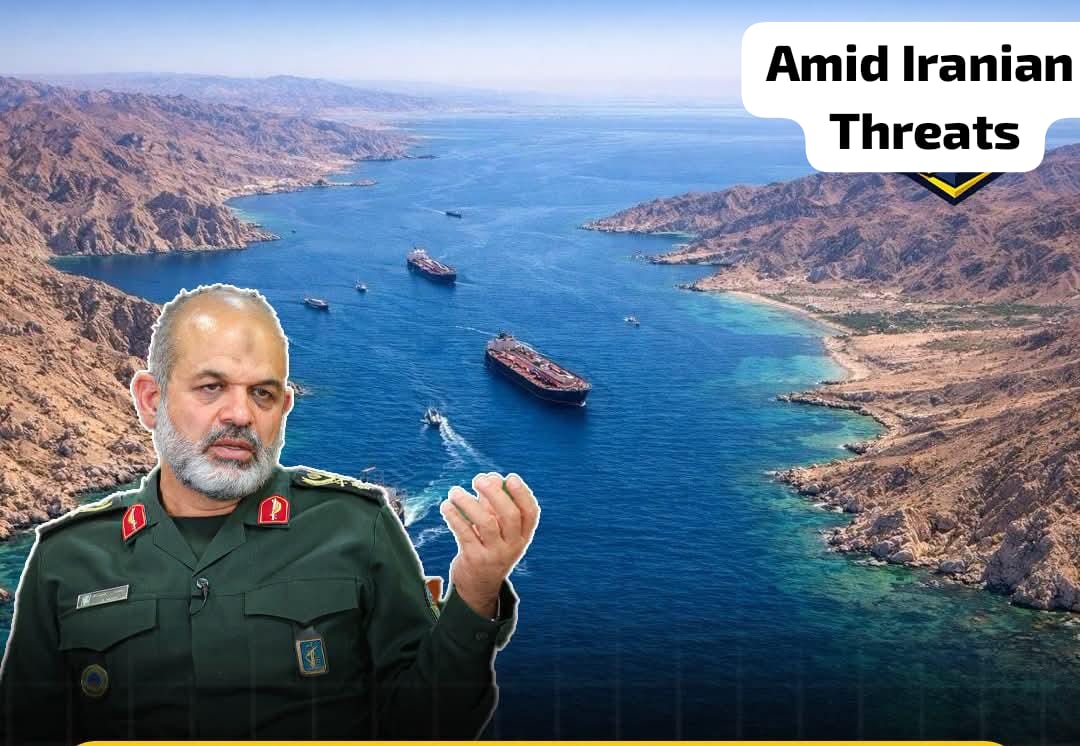
Strait of Hormuz crisis has entered a new and far more dangerous phase. What only days ago remained a tense diplomatic standoff has now descended into a violent cycle of American strikes and Iranian retaliation.

Ayatollah Ali Khamenei Laid to Rest in Mashhad Amid Regional Tensions and Leadership Uncertainty
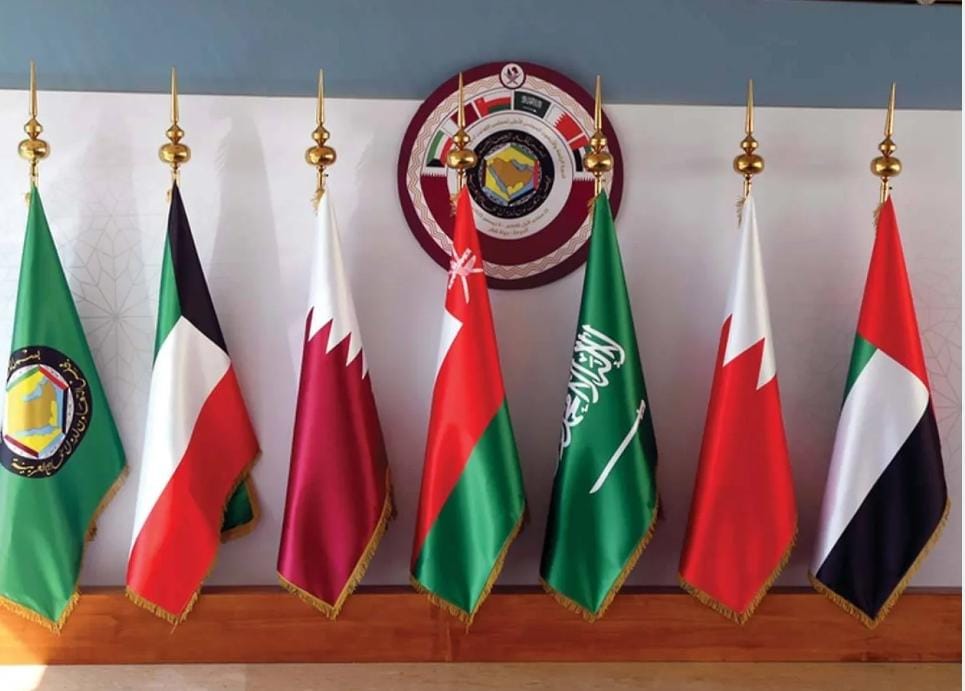
Diplomatic activity intensifies in Gulf states, GCC calls for emergency contact after Iranian attacks

President Trump approved the military operation during a high-level national security meeting convened in the Turkish capital after attacks on three commercial vessels in the Strait of Hormuz, which the United States attributed to Iran.

The latest developments have intensified concerns that the fragile truce could unravel, raising fears of renewed regional conflict and disruption to global energy markets.

The very architecture of the Ankara Summit reveals NATO’s political discomfort. The alliance has already established the precedent of tailoring its highest level meetings to President Donald Trump’s well-reported aversion to prolonged diplomatic sessions.