By Iftikhar Mashwani
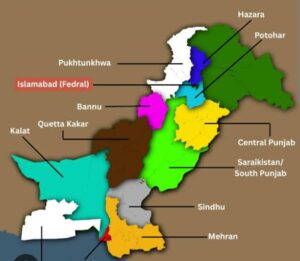
ISLAMABAD:The proposal to establish 12 new provinces or administrative units in Pakistan has reignited debate over the country’s governance structure, with growing calls for decentralisation, improved public service delivery and the transfer of powers to gross roots level.
The creation of new provinces is both a necessity of the time and a reflection of ground realities. Pakistan’s population has increased several times over the years, while many remote areas of the country remain deprived of the benefits of development. It is therefore time to consider the establishment of new provinces and ensure the devolution of powers to the local government.
However, it is equally true that a few influential political families continue to dominate the political system. There are concerns that the creation of new provinces could further increase corruption, nepotism and expenditures in the name of official protocol.
In other words, unless the existing system and style of governance are improved, corruption and nepotism cannot be eliminated. Merely creating new provinces or introducing a new administrative system will make little difference unless meaningful reforms are implemented.
The establishment of new provinces should not be viewed as an end in itself. Rather, it should be part of a broader strategy aimed at improving governance, ensuring transparency, strengthening local government institutions and delivering development to neglected areas.
The establishment has stressed that the creation of new administrative units should be seriously considered in view of the country’s rapidly growing population and the limitations of the existing system.
The administrative authority should not remain concentrated in provincial capitals such as Lahore, Karachi, Quetta and Peshawar.
In our view Smaller administrative units could help improve governance and ensure that public services reach remote and underdeveloped areas.
The debate, however, extends beyond the question of creating new provinces.
Pakistan’s population has increased significantly, while several distant regions remain deprived of the benefits of development. This has strengthened arguments that administrative restructuring and the devolution of powers are necessary to address regional disparities.
However, critics warn that the creation of new provinces alone may not resolve the country’s governance crisis. They argue that political influence, corruption, nepotism and excessive expenditure on official protocol could persist under a new administrative arrangement if the system itself is not reformed.
The concentration of power among influential political families remains a major concern. Without transparent institutions, accountability and effective local governments, additional provinces could create new centres of political patronage rather than improve public welfare.
Proposals for a referendum or a possible 28th Constitutional Amendment have also emerged in the debate over new provinces.
Ultimately, administrative restructuring must be accompanied by meaningful governance reforms.
The real objective should be to ensure that power, resources and accountability reach the people, rather than merely increasing the number of administrative units.