DUBAI -UNS : A brief social media post by Emirati political analyst and academic Abdulkhaleq Abdulla has triggered widespread discussion across Arab social media platforms, after he commented on the reported suspension of hostilities between Iran and Israel using the classical Arabic phrase: “Necessity knows no law.”
The remark, posted shortly after reports of a pause in missile exchanges between Iran and Israel, was widely interpreted by commentators as a reference to the political and military pressures surrounding the sudden de-escalation.
Ceasefire Followed Intense Exchange of Fire
The online reaction came in the wake of a rapid escalation between Tehran and Jerusalem involving multiple waves of missile and drone strikes, which raised concerns of a broader regional conflict.
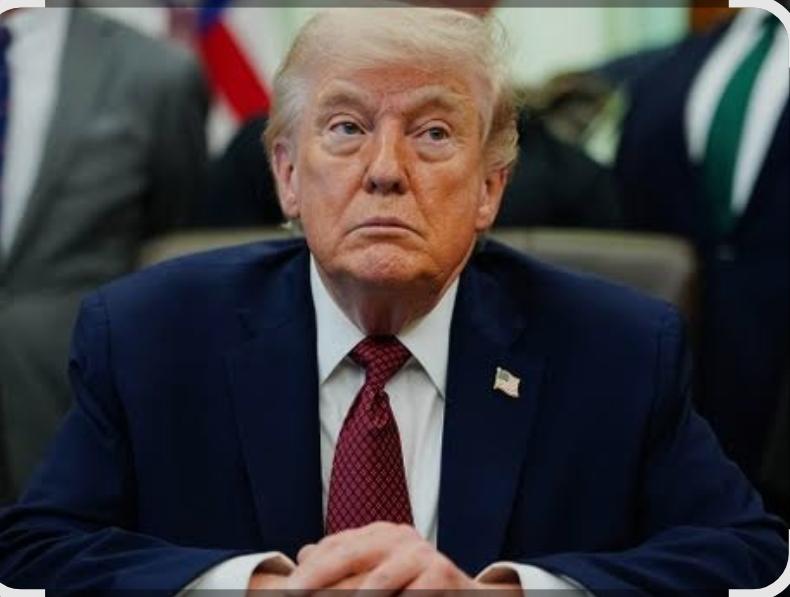
According to official statements and diplomatic briefings, the fighting de-escalated following urgent international engagement led by the United States, including direct diplomatic outreach by U.S. President Donald Trump to regional leaders.
Israeli officials confirmed they had agreed to pause certain military operations following these interventions, while maintaining that operations in other theaters would continue.
Israeli Prime Minister Benjamin Netanyahu has not issued a unified public statement specifically addressing the ceasefire interpretation, though Israeli officials have emphasized that security operations remain ongoing in multiple areas.
Competing Interpretations Online
Abdulla’s remark quickly circulated across Arabic and Persian-language social media, where it generated sharply divided readings.
One group of commentators interpreted the phrase “necessity” as a reference to the cumulative effect of diplomatic pressure, economic constraints, and military escalation risks that may have influenced Tehran’s decision to halt strikes.
Others pushed back against this framing, arguing that the pause in hostilities reflected mutual constraints on both sides rather than a unilateral concession, noting that Israel also adjusted its operational tempo in response to U.S.-led diplomatic pressure.
Broader Information Battle
The debate highlights how quickly symbolic commentary from influential regional voices can become part of a wider narrative struggle surrounding Middle East conflicts.
Analysts say the online reaction underscores a familiar dynamic in regional crises: military de-escalation is often accompanied by competing political narratives seeking to define which side yielded more under pressure.
As diplomatic efforts continue to stabilize the fragile situation, commentary from figures such as Abdulla is expected to remain closely scrutinized, reflecting the broader contest over interpretation as much as events on the ground.