By S.M.Hali
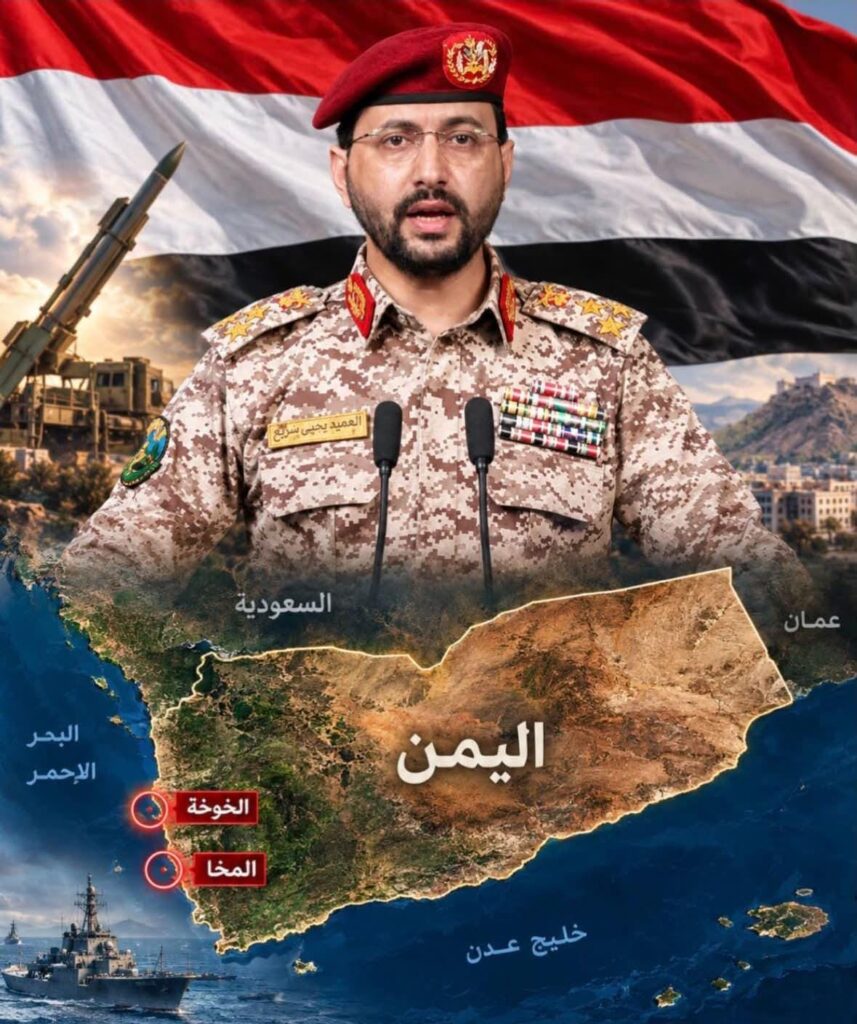
In the shifting sands of Middle Eastern geopolitics, Pakistan once again finds itself at the crossroads of alliance, restraint, and responsibility. Recent speculation in Turkish media that Islamabad might strike Houthi positions under the Mecca defence pact triggered a flurry of commentary.
The Pakistani Foreign Ministry swiftly denied such intentions, clarifying that no military response to Houthi attacks is under discussion.
though it added, with deliberate ambiguity, that Pakistan will act “when the time comes.” This carefully chosen phrasing encapsulates Islamabad’s balancing act: committed to Saudi Arabia’s security, yet wary of entanglement in Yemen’s quagmire.
The Mirage of Military Intervention
The feasibility of Pakistan launching direct strikes in Yemen is, in truth, remote. Islamabad has consistently resisted military involvement in the Yemeni theatre, mindful of the regional sensitivities and domestic constraints that such a move would unleash.
The denial by the Foreign Ministry was not mere diplomacy,it was a reaffirmation of Pakistan’s long standing policy of avoiding foreign military adventures that risk inflaming sectarian divides and destabilizing its own fragile equilibrium. Pakistan’s role, as the statement implied, is supportive rather than interventionist.
Diplomatic Leverage: A Rare Dual Credibility
Yet Pakistan’s importance in the Gulf equation lies not in its arsenal but in its diplomacy. Few states enjoy the dual credibility Islamabad commands: trusted in Riyadh due to decades of defence cooperation, and respected in Tehran through cultural, religious, and trade ties.
This unique positioning allows Pakistan to serve as a bridge rather than a battering ram. Islamabad can facilitate back channel talks, propose ceasefire frameworks, and offer neutral venues for dialogue.
In a region where mistrust is the currency of politics, Pakistan’s ability to speak to both sides without being dismissed outright is a rare asset.
Sectarian Realities at Home
Domestic dynamics further explain Pakistan’s reluctance to intervene militarily in Yemen. With a sizeable Shia minority, any action perceived as targeting Houthis—who are Shia aligned—could inflame sectarian tensions at home.
The government’s restraint is not weakness but prudence: a recognition that foreign entanglements can reverberate dangerously within Pakistan’s own borders. Preserving internal harmony is paramount, and the leadership knows that polarizing domestic opinion would erode national cohesion at a time when unity is desperately needed.
The Defence Pact: Consultation, Not Compulsion
The Mecca Pact, formally known as the Strategic Mutual Defence Agreement, has been interpreted by some as a binding trigger for combat. Defence Minister Khawaja Asif’s warning that aggression against Saudi Arabia could activate the pact lent weight to this perception. Yet the agreement is not a mechanical Article 5 style clause. It emphasizes consultation and cooperation rather than automatic military response.
Pakistan’s support can take many forms short of combat: intelligence sharing, training, joint exercises, and strengthening Saudi air defence and counter drone systems. These contributions bolster deterrence without dragging Pakistan into direct confrontation.
Economic Stakes in the Gulf
Beyond diplomacy and sectarian calculus, economics looms large. Millions of Pakistani workers in the Gulf remit billions of dollars annually, sustaining Pakistan’s fragile economy. Any escalation that jeopardizes their safety or employment would strike at the heart of Pakistan’s financial stability.
Trade ties and energy supplies are equally vulnerable. Involvement in Gulf conflicts risks exposing Pakistan to energy shocks and undermining investor confidence at a time when Islamabad is striving to attract foreign capital and stabilize growth. The economic risks of entanglement are thus as compelling as the political ones.
A Compass Pointing to Peace
Pakistan’s dilemma is emblematic of its broader foreign policy posture: committed to allies, yet cautious of overreach. The Mecca Pact provides a framework for solidarity, but Islamabad interprets it through the lens of prudence. Its strength lies not in launching sorties over Yemen but in leveraging its unique diplomatic position to mediate, de escalate, and preserve stability. In doing so,
Pakistan seeks to protect its domestic harmony, safeguard its economic lifelines, and project itself as a responsible actor in a volatile region.
The challenge, however, is credibility. Riyadh expects solidarity; Tehran demands neutrality. Navigating this tightrope requires deft diplomacy and clear communication. Pakistan must emphasize that its compass points to peace, not polarity.
By offering mediation, humanitarian support, and defensive cooperation short of combat, Islamabad can demonstrate commitment without compromising prudence.
Conclusion: Between Ally and Arbiter
The speculation over strikes in Yemen may have been sensational, but it served as a reminder of Pakistan’s delicate position. Islamabad cannot afford to be drawn into a war that risks inflaming sectarian divides, destabilizing its economy, and eroding its diplomatic leverage. Instead, Pakistan must harness its rare dual credibility to mediate between Riyadh and Tehran, offering pathways to dialogue rather than escalation.
In the end, Pakistan’s role in the Gulf is not to be a combatant but an arbiter—a state that understands the costs of war and the value of peace.
As the region teeters between confrontation and conciliation, Islamabad’s restraint is not indecision but wisdom. The true test of the Mecca Pact lies not in missiles fired but in bridges built.