


ISLAMABAD -UNS: The XII Inter-Parliamentary Union (IPU) Global Conference of Young Parliamentarians will be held on September 46th, 2026, in the city of Samarkand, under the theme Restoring Human Rights, Justice and Dignity for All in Fragile Times. The XII Global Conference is expected to convene approximately 300 delegates representing […]
World News
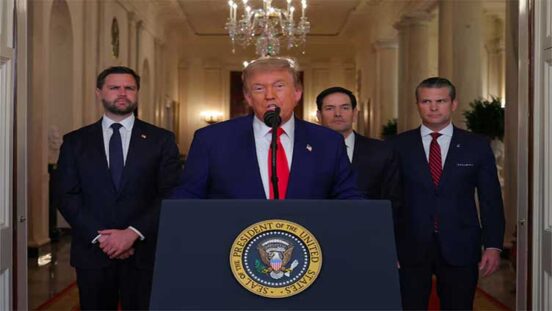
By Qamar Bashir Press Secretary to the President (Rtd) Former Press Minister, Embassy of Pakistan to France Former Press Attaché to Malaysia Former MD, SRBC | Michigan, USA The geopolitical landscape has witnessed few spectacles as paradoxical as the recent confrontation between the coalition of the United States and Israel against the Islamic Republic of Iran. What was predicted by Western military analysts and policymakers to be a swift, decisive campaign—a “shock and awe” reminiscent of the opening salvos of the 2003 Iraq War—has instead morphed into a historical anomaly. It is a conflict defined not by the victor’s triumph, but by the hubris of the aggressor being dashed upon the rocks of asymmetric resilience. The United States, the sole superpower possessing a military budget exceeding 1.5 Trillion annually—larger than the next 20 countries combined—has been forced into a humiliating strategic retreat. After failing to achieve a single operational objective, the rhetoric has shifted from “military obliteration” to “economic annihilation.” This pivot from Tomahawks to Treasury sanctions is not a sign of strength; it is the death rattle of a failing hegemonic strategy, a threat as hollow as the bombs that failed to subdue Tehran. In the lead up to the conflict, the rhetoric emanating from Washington and Tel Aviv was characterized by a certainty that bordered on the biblical. Officials promised the “degradation of Iran’s military infrastructure to the Stone Age,” invoking imagery of […]

WASHINGTON (Reuters) — The United States’ national debt has surpassed $40 trillion for the first time, intensifying concerns over the country’s long-term fiscal outlook as rising interest costs and spending continue to outpace federal revenues. According to the US Treasury Department’s latest daily debt figures, total public debt outstanding reached […]

News Desk Riyadh- When a name disappears from the map, history does not disappear with it. A review of Saudi Arabia’s 2023–24 textbooks has raised difficult questions over changes in the way Palestine, Israel and Zionism are represented. In some maps, territory previously labeled “Palestine” reportedly appears without that name, […]

ABU DHABI -UNS: The United Arab Emirates has suspended all trade activities, exchanges and financial transactions with Iran until further notice amid heightened regional tensions following an alleged missile incident. The UAE Foreign Ministry announced the decision on Wednesday, saying the latest regional escalation posed a threat to regional and […]
GENEVA -UNS : World Humanitarian Day is being observed across the globe today to honour humanitarian workers who dedicate their lives to helping people affected by wars, disasters and other emergencies. Observed annually on August 19, the day recognizes the courage and commitment of aid workers and highlights the urgent […]

By S.Hali The war in Ukraine has entered a perilous new phase. Ukraine has begun deploying British made long range drones, including the jet powered Nyan developed by Callen Lenz, a subsidiary of BAE Systems, to strike deep inside Russian territory. Confirmed attacks near Moscow, Volgograd, and Yaroslavl mark not only a technological escalation but also a geopolitical shift: Britain is no longer content with indirect support but is enabling Ukraine to project force into Russia’s industrial heartlands. The Nyan One Way Effector is no ordinary drone. Jet powered, carbon fibre, with a wingspan of nearly three meters, it can carry payloads of up to 20 kilograms and travel more than 250 kilometres—some variants reportedly reach 950 kilometres. This range allows Ukraine to bypass frontline attrition and strike at oil refineries, logistics hubs, and industrial sites. Unlike Ukraine’s improvised short range drones, the British systems represent a leap in capability: precision, endurance, and strategic reach. Targets hit—refineries in Volgograd and Yaroslavl, facilities near Moscow—are not incidental. They strike at Russia’s economic lifeblood. Oil revenues remain a critical pillar of Moscow’s war chest, funding military operations and sustaining the state. By targeting refineries, Ukraine aims to weaken Russia’s fiscal resilience, disrupt supply chains, and impose costs that ripple through global energy markets. The United Kingdom’s role is unmistakable. Not only has it supplied the drones, but British defence sources acknowledge that the Royal Navy tested Nyan launches earlier this year. Training, intelligence support, and operational integration accompany the hardware. This is not Ukraine improvising with imported parts; it is Britain deliberately enabling strikes inside Russia. Such involvement marks a departure from earlier Western caution. NATO states long sought to calibrate support—arming Ukraine sufficiently to resist but avoiding measures that might provoke direct confrontation. Britain’s drone supply suggests that this caution is eroding. As one defence source put it, Britain is “no longer nervous” about hitting Russia. The introduction of British drones reshapes the triangular contest between Ukraine, Russia, and the West. For Russia, the vulnerability of its industrial heartlands is exposed. Air defence systems, already stretched by waves of domestic Ukrainian drones, must now adapt to faster, longer range threats. For Ukraine, the drones provide a new lever of deterrence and retaliation, complementing its domestic industry and reducing reliance on scarce cruise missiles. For Britain, the move signals a willingness to confront Russia more directly, even at the risk of escalation. This dynamic recalls earlier epochs of military innovation. Just as the longbow or the dreadnought altered strategic balances, the British drones represent a disruptive technology. They are not decisive in themselves, but they shift the calculus of vulnerability, deterrence, and escalation. The risks are profound. Direct British involvement blurs the line between proxy support and co belligerency. Moscow is unlikely to ignore the fact that its refineries are being struck by British made systems. Retaliation—diplomatic expulsions, cyber operations, or even military measures against British assets—cannot be ruled out. Russia may also intensify hybrid tactics, targeting Britain’s energy infrastructure or maritime routes, to impose reciprocal costs. Economic warfare carries global consequences. Strikes on Russian refineries threaten to destabilize energy markets already strained by sanctions and supply disruptions. Rising prices could reverberate across Europe and Asia, undermining the coalition that supports Ukraine. Cost is another factor. At £50,000–£100,000 per unit, British drones are far more expensive than Ukraine’s attritable domestic UAVs. Their scale of deployment will be limited. Ukraine may achieve symbolic strikes, but sustaining a campaign of deep interdiction will be financially challenging. Beyond strategy lies the moral dimension. Britain’s involvement raises questions about proportionality and escalation. Is enabling Ukraine to strike deep into Russia a legitimate act of defence, or does it risk widening the war into a direct NATO–Russia confrontation? International law permits defence against aggression, but the deliberate targeting of economic infrastructure in another sovereign state treads a fine line. Moreover, the narrative of restraint—so often invoked in Western capitals—sits uneasily with the reality of drones striking refineries hundreds of kilometres from the front. The moral high ground, already contested, becomes harder to sustain. The deployment of British made drones in Ukraine’s campaign against Russia is more than a tactical innovation. It is a strategic signal: Britain is prepared to escalate, to enable strikes deep inside Russia, and to accept the attendant risks. For Ukraine, the drones offer new reach and leverage. For Russia, they expose vulnerabilities and demand adaptation. For the world, they raise the spectre of escalation, economic disruption, and moral ambiguity. History teaches that wars often pivot on technological innovations—the longbow, the tank, the nuclear weapon. The British drone may not be as transformative, but it sets a dangerous precedent: the crossing of boundaries once thought sacrosanct. As the skies over Moscow, Volgograd, and Yaroslavl testify, the war is no longer confined to the frontlines. It is expanding into the industrial heartlands, with Britain’s hand unmistakably visible. The question now is not whether this escalation will alter the course of the war, but whether it will alter the course of history.
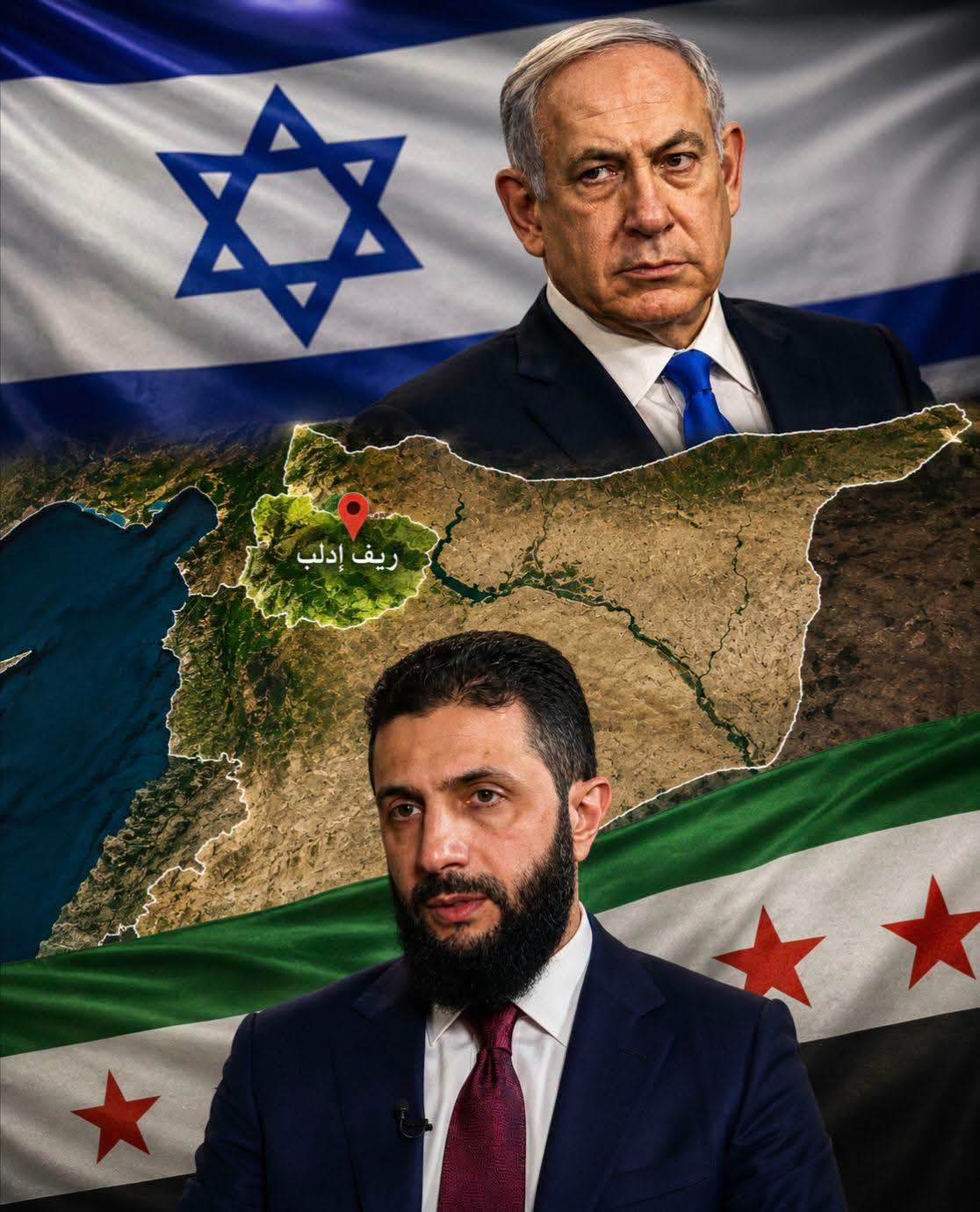
The episode also invites a broader examination of the stark contrast between the rhetoric that armed Islamist movements have promoted for decades and their conduct when confronted by a militarily superior regional power.
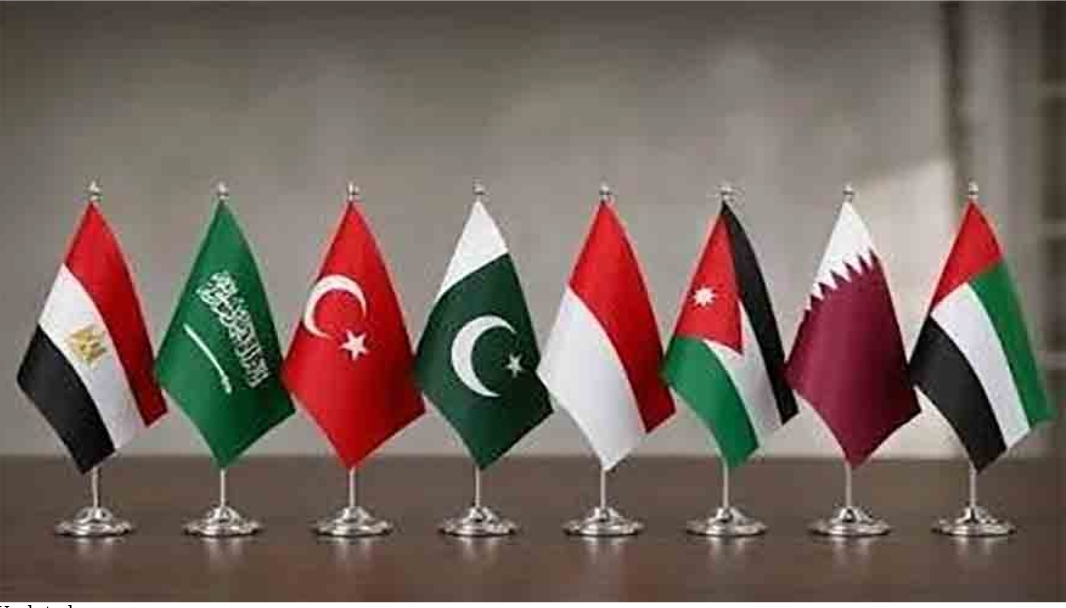
ISLAMABAD -UNS :Pakistan, Saudi Arabia and six other Muslim countries on Sunday condemned Israel’s rejection of a roadmap for fully implementing US President Donald Trump’s Gaza peace plan, the Pakistani foreign ministry said. The roadmap, which Palestinian factions have accepted, was developed through mediation involving Egypt, Qatar, Turkiye, and the […]
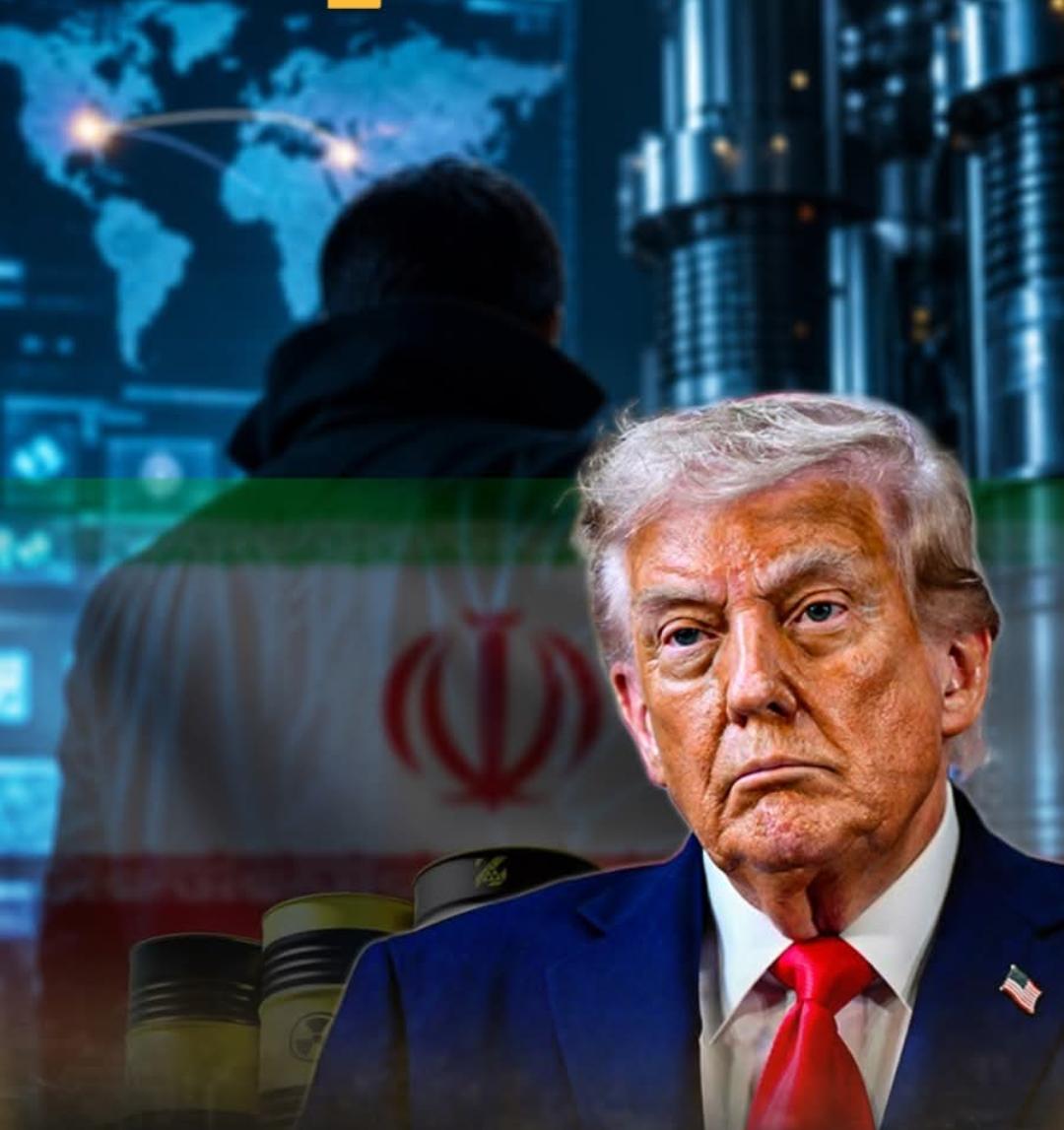
By Qamar Bashir Press Secretary to the President (Rtd) Former Press Minister, Embassy of Pakistan to France Former Press Attaché to Malaysia Former MD, SRBC | Michigan, USA President Donald Trump’s declaration that he may soon designate the Strait of Hormuz as territory of the United States is more than another provocative statement. It raises fundamental questions about sovereignty, international law and whether overwhelming military power can transform a globally shared waterway into an American possession. Speaking in New York on August 14, Trump said that after defeating Iran, he would declare the strait American territory. He argued that the United States already controls passage because its forces decide which ships can move through it. Yet military presence is not sovereignty, enforcing a blockade is not ownership, and the capacity to disrupt navigation does not confer legal title over another country’s territorial waters. Washington cannot lawfully acquire the strait through a presidential announcement. A legitimate territorial transfer would ordinarily require the consent of the sovereign states concerned, a treaty and constitutional approval within the United States. Neither Iran nor Oman has offered its territory, and no internationally recognized agreement exists. The more disturbing question, however, is not whether Trump’s declaration is lawful. The real question is who possesses the power to stop him if he attempts to enforce it militarily. The United Nations General Assembly could condemn the action and mobilize international opposition. But its resolutions would not automatically compel an American withdrawal. Binding action by the Security Council could be blocked by the United States through its veto. International courts depend heavily upon state consent and cooperation, while governments opposing unilateral annexation would hesitate before entering a military confrontation with a nuclear superpower. The absence of an immediate reaction from world leaders is therefore highly significant. Apart from Iran, no major government or international organization initially issued a clearly attributable response specifically addressing Trump’s territorial declaration. Oman, despite sharing jurisdiction over the waterway, remained publicly silent. So did Saudi Arabia, the United Arab Emirates, Qatar, Pakistan, Türkiye, China, Russia, India, Britain, France, Germany, the European Union, NATO and the United Nations. In diplomacy, silence can carry considerable meaning. Had Trump’s proposal been considered lawful, achievable or beneficial to the international order, allied leaders would probably have rushed to praise it, hoping to be among the first to demonstrate their support for Washington. Instead, the declaration was met—with the notable exception of Iran—by an extraordinary absence of endorsements. Silence, however, cannot physically stop annexation. No country appears willing to confront the United States militarily over Hormuz. Russia is occupied with its own strategic struggles, China prefers economic and technological competition to direct warfare, and European governments lack both the military unity and political appetite to challenge Washington in the Persian Gulf. Gulf countries depend heavily on American security structures and cannot afford an open confrontation with the White House. The controversy surrounding the USS Abraham Lincoln also illustrates the practical limitations of military power. Reports of an exceptionally long deployment, exhaustion and difficult conditions aboard the aircraft carrier have generated questions about the human cost of an open-ended war. Allegations that sailors attempted to go overboard specifically because of psychological distress or intolerable conditions require authoritative verification, but concerns about fatigue, morale, isolation and family separation are legitimate. The wider military picture further complicates Trump’s proclamation of victory. Modern warfare consumes interceptors, precision weapons and spare parts much faster than peacetime procurement systems can replace them. New factories may expand production, but constructing facilities, training workers, securing supply chains and reaching full output take years. Trump’s statement therefore carries two possible meanings. The first is that he is serious. In that case, declaring Hormuz American territory would become an imperial undertaking requiring prolonged military enforcement against Iran, diplomatic coercion of Oman and rejection by much of the international community. Washington would have to defend ships, bases and supply lines across a hostile region while absorbing retaliation, economic disruption and growing domestic opposition. Declaring ownership is easy; maintaining it against determined resistance is extraordinarily costly. Iran is not a powerless target. Its large population, strategic geography, missile and drone capabilities, regional relationships and institutional memory make permanent subjugation improbable. Ancient Persia’s imperial history does not determine modern military outcomes, but Iran possesses a deeply rooted national identity and extensive experience in surviving foreign pressure. Any attempt to seize adjacent waters could strengthen Iranian nationalism rather than compel submission. The second possibility is that Trump’s declaration is primarily political theatre—a maximalist threat intended to intimidate Iran, energize domestic supporters or strengthen Washington’s negotiating position. Trump has previously spoken about acquiring Greenland and ending the Russia-Ukraine war almost immediately. Such declarations generate dramatic headlines and establish extreme opening positions, only to recede when their political or strategic costs become apparent. Hormuz may follow the same pattern. Trump can claim ownership, demand security fees and announce total control, but commercial reality provides a harsher test. If maritime traffic remains disrupted, insurance costs remain elevated and Iran continues influencing which vessels can safely pass, American declarations of ownership will appear increasingly hollow. As the balance of power stands today, the uncomfortable reality is that no foreign country or international organization possesses both the means and willingness to physically stop the United States if it decides to enforce Trump’s declaration. International law can define the action as unlawful. The United Nations can condemn it. Allies can withhold legitimacy. China can retaliate economically. Iran can resist militarily. But none of these forces can guarantee that Washington will abandon its course. There remains, however, one force capable of stopping the American president: the American people acting through their constitutional institutions. If citizens conclude that annexing Hormuz is producing higher gasoline prices, inflation, military casualties, mounting debt and no measurable improvement in national security, public support could collapse. Demonstrations, elections, media scrutiny, resistance from military families and pressure from voters could transform an overseas territorial adventure into an unbearable domestic liability. Congress and the Senate can refuse additional funding, investigate the conduct and objectives of the war, challenge unauthorized military expansion and demand an accounting of its human and economic costs. Legislators can use appropriations, oversight and war-powers mechanisms to restrain the executive branch. Members of Trump’s own party could also withdraw support if the costs become politically indefensible. The Strait of Hormuz cannot legally become American territory through rhetoric, blockade or naval deployment. Trump may possess enough power to initiate a dangerous confrontation, but not enough to erase geography, sovereignty and resistance permanently. If his declaration is serious, its costs could exceed every conceivable benefit. If it is a bargaining stunt, it may eventually disappear like the Greenland rhetoric. The greatest danger lies between these possibilities: political theatre can trigger military actions that acquire an uncontrollable momentum. The international community may remain strategically silent because it fears American retaliation. But the American people, Congress and the Senate do not have the luxury of silence. They represent the final constitutional force capable of preventing presidential bravado from becoming an irreversible imperial adventure.