
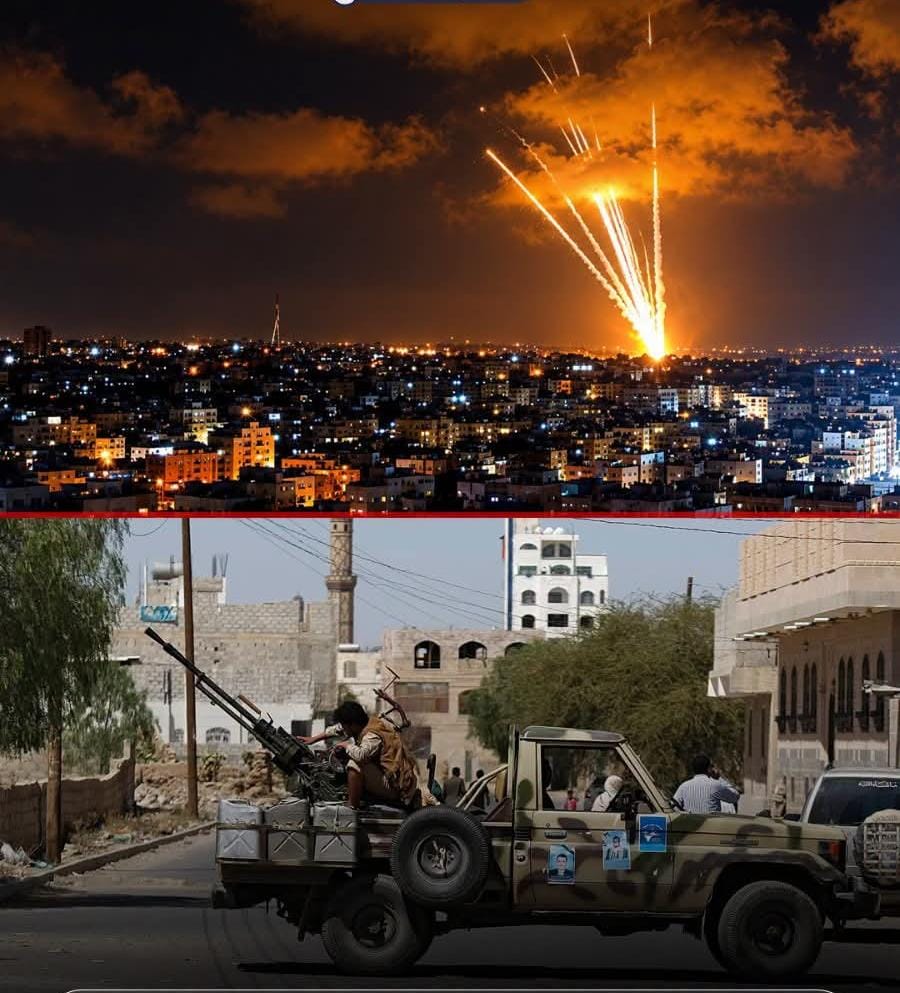

By Iftikhar Mashwani The struggle between war and peace in the Middle East has reached a deeply concerning crossroads, where the next move could trigger a new and devastating conflict. Although a diplomatic solution remains a possibility, the rapidly evolving situation across the region continues to raise serious concerns about […]

Islamabad -UNS : The U.S. Embassy in Islamabad announces the seizure, of approximately 463 kg of crystal methamphetamine, valued at $21 million, which occurred on August 30. The Trump administration has made halting the flow of illicit narcotics a key component of helping make America more secure. The embassy’s Drug […]
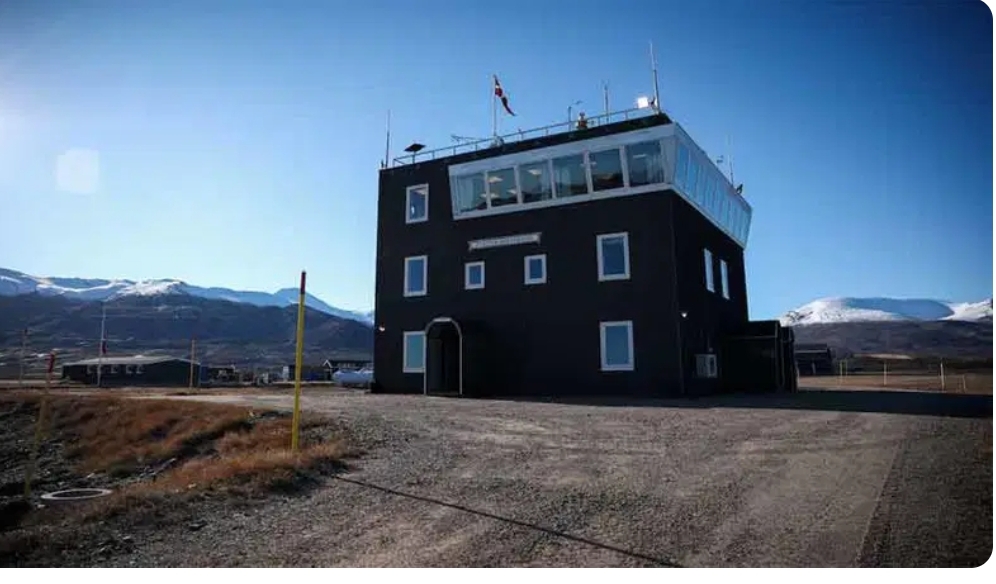
WASHINGTON -UNS: The United States plans to reopen a former Cold War-era military base in southern Greenland and establish a military presence at an eastern outpost currently used by Denmark’s Sirius Dog Sled Patrol, according to three people familiar with the matter. The proposed agreement between the United States, Denmark […]
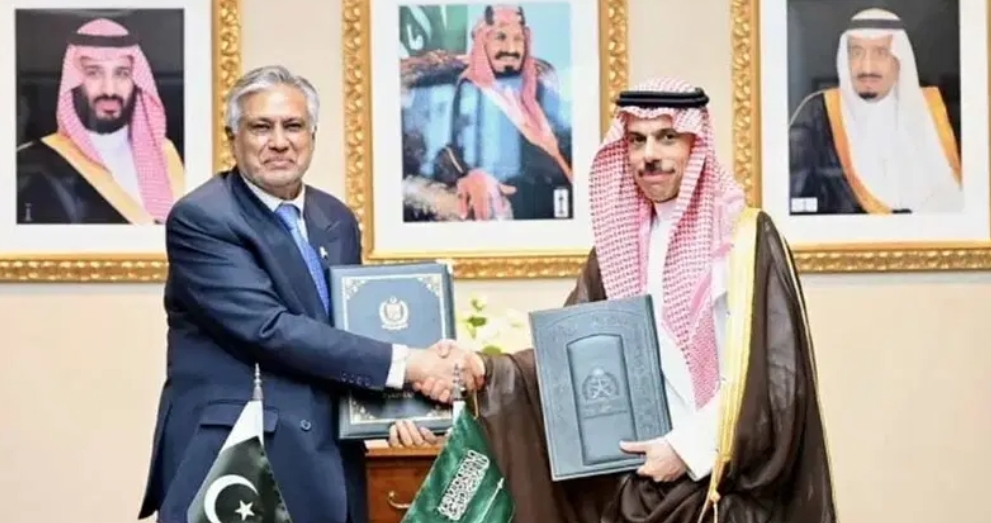
ISLAMABAD -UNS: Pakistan and Saudi Arabia have signed an agreement to waive visa requirements for holders of diplomatic and official or special passports, aiming to facilitate official travel and strengthen institutional ties between the two countries. Deputy Prime Minister and Foreign Minister Ishaq Dar and Saudi Foreign Minister Prince Faisal […]
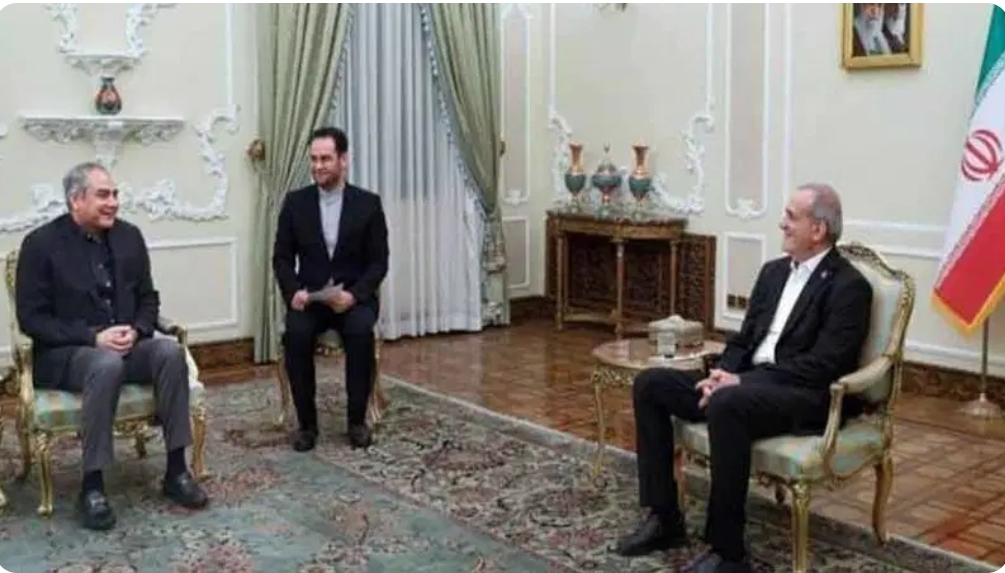
TEHRAN -UNS: Pakistan’s Interior Minister Mohsin Naqvi met Iranian President Masoud Pezeshkian in Tehran on Monday to discuss regional developments and ways to strengthen bilateral cooperation between Pakistan and Iran. During the meeting, President Pezeshkian said that pressure from the United States had brought Muslim countries closer together. He emphasized […]
By Qamar Bashir Press Secretary to the President (Rtd) Former Press Minister, Embassy of Pakistan to France Former Press Attaché to Malaysia Former MD, SRBC | Michigan, USA Across the United States and Europe, political rhetoric has turned “Sharia” into a weapon of suspicion, transforming a Muslim neighbor’s faith into an imagined threat to national institutions. Prayer, charity, dietary observance, and personal ethics disappear behind warnings of an approaching theocracy. This confusion encourages fear and has made exclusion appear defensive while deliberately ignoring that voluntary religious observance does not itself override courts, displace legislatures, direct public administration, or replace constitutional government. Bringing back religion into politics is contrary to the long and arduous efforts of both American and European societies to finally culminate in developing protections against religious coercion and for individual conscience. The law and constitution of the USA and Europe protects religious liberties and provides freedom to believe, worship, change faith, or have no faith. However, by weaponizing Sharia to cast collective suspicion on Muslims undermines these protections by turning religious identity into a test of belonging. That contradiction gives Jessica McDonald’s inquiry its significance. McDonald, a Christian a renowned and accomplished lawyer in her social media broadcasts, countered these alarming claims she had heard about Islam. Rather than accepting inherited assumptions, she opened the Quran and examined its language and context. Her account offers a response to political fear: understand a religious tradition before treating its followers as dangerous. She asks Christians to extend to Muslim scripture the interpretive care they expect for the Bible. The politicians are weaponizing Sharia not due to fear of Sharia itself but to stop and put an end to economic prosperity and social recognition achieved by the Muslim community in all aspects of national life. Their visibility has unsettled those who regard professional opportunity or national belonging as the preserve of a white majority. McDonald explains that Sharia encompasses far more than criminal punishment. Associated with a path or way, it refers broadly to divine guidance for Muslim life: prayer, fasting, charity, family duties, honesty, and ethical commerce. It also encompasses legal subjects. Fiqh is the human work of interpreting and applying that guidance. Different scholarly traditions can produce different conclusions. Her essential point is that no single universally accepted rulebook explains everything every Muslim means by following Sharia. McDonald specifically emphasizes that Quranic teachings teaches Muslims living in non Muslim countries to obey the laws of the country where they have chosen to live and not impose their religion on others. In her explanation, following Sharia through worship, charity, and ethical conduct does not mean seeking to replace the American or European government. […]
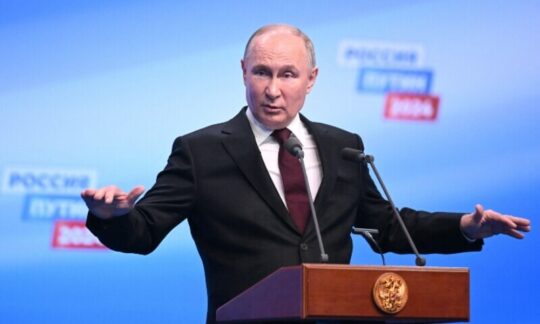
MOSCOW- AFP:Vladimir Putin’s ruling United Russia party won a large majority in the country’s parliamentary elections, marked by cyberattacks and a barrage of Ukrainian drone strikes, according to results published by state media early Monday. The election, held to elect members in all seats of the lower house State Duma, […]
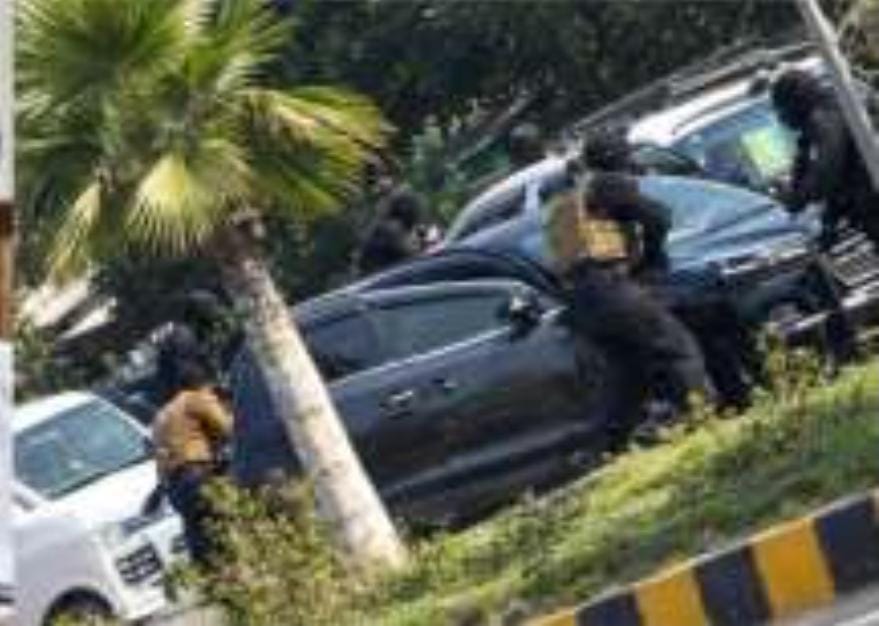
PESHAWAR -UNS: A video has emerged purportedly showing the detention of Khyber Pakhtunkhwa Provincial Minister Fazal Shakoor Khan on a motorway, with masked men in plain clothes allegedly seen firing at the tyres of his vehicle. The footage has circulated widely on social media, accompanied by claims that the minister’s […]

Riyadh’s withdrawal from the China-led digital payments project has revived questions over the Kingdom’s strategic balancing between Beijing and Washington.
LAHORE -UNS: Uzma Khan and Noreen Niazi, sisters of Pakistan Tehreek-e-Insaf (PTI) founder Imran Khan, have been detained for 30 days under Section 3 of the Maintenance of Public Order (MPO), on the orders of the Lahore deputy commissioner. According to sources, the detentions were carried out on police recommendations […]