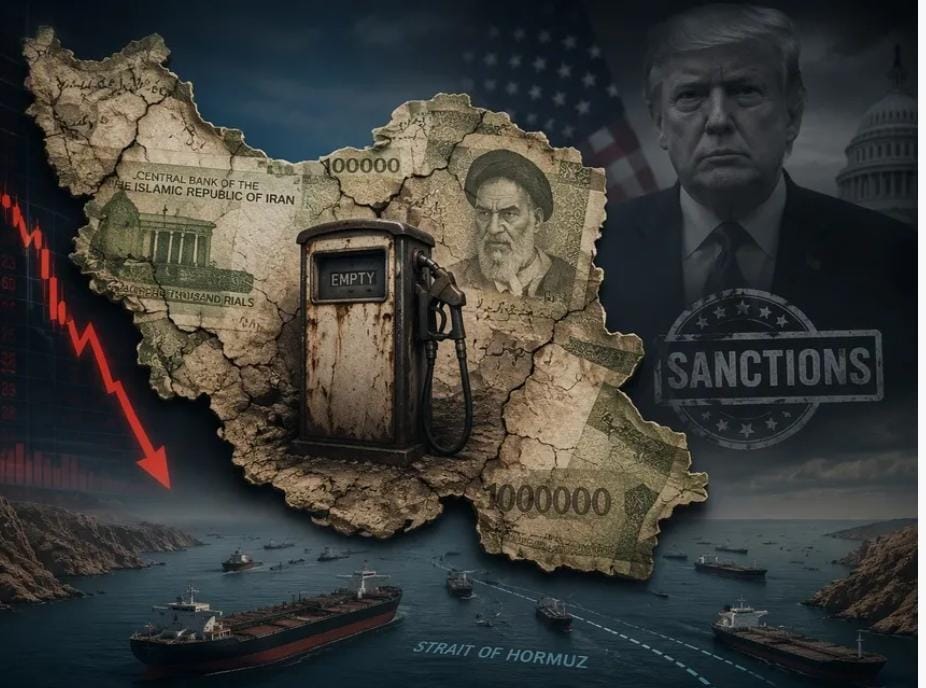
Washington, -UNS:Israeli Prime Minister Benjamin Netanyahu arrived in Washington, D.C., for a high-stakes meeting with US President Donald Trump at the White House, with the future of the Iran conflict, regional security arrangements and Israel’s domestic political calculations expected to dominate discussions.
The meeting marks Netanyahu’s first formal talks with Trump since the United States and Israel launched military strikes against Iran on February 28, escalating tensions across the Middle East and reshaping the regional security landscape.
Netanyahu’s visit comes at a critical moment, as Washington faces decisions over whether to pursue further military action, negotiate a diplomatic settlement with Tehran, or maintain economic and strategic pressure on Iran.
Iran War: Future Strategy at the Centre of Talks
The Iran conflict is expected to be the main issue between the two leaders. While some Israeli officials and supporters are pushing for continued military pressure on Tehran, Trump has indicated growing concerns over the risks of a prolonged conflict and the need to consider broader strategic consequences.
The discussions are likely to focus on:
The possibility of renewed US-Israeli military operations against Iran.
Conditions for any future ceasefire or diplomatic agreement.
Iran’s missile programme and regional influence.
Security arrangements for US forces and allies in the Gulf.
The role of Israel in Washington’s wider Middle East strategy.
Analysts say Netanyahu may seek assurances from Trump that the United States will maintain a hard-line position toward Iran, while Trump may attempt to balance military objectives with avoiding a wider regional war.
Lebanon and Hezbollah: Another Major Security Concern
The White House agenda is also expected to include Lebanon, where Israel continues operations against Hezbollah targets.
Israel says its strikes are aimed at preventing Hezbollah, which receives support from Iran, from threatening northern Israel. Tehran has stated that any long-term settlement must include the withdrawal of Israeli forces from Lebanese territory.
The Lebanon issue adds another layer of complexity to US efforts to prevent the Iran conflict from expanding into a broader regional confrontation.
—
Abraham Accords and Regional Normalisation
Trump and Netanyahu are also expected to discuss efforts to expand the Abraham Accords, the US-backed framework for normalising relations between Israel and Arab and Muslim-majority countries.
The talks may focus on:
Encouraging additional Arab states to establish relations with Israel.
The possibility of Saudi Arabia joining future normalisation efforts.
Linking regional diplomacy with security cooperation against Iran.
However, regional analysts argue that the continuation of the Gaza conflict, tensions in the West Bank, and Israeli military operations remain major obstacles to expanding the agreements.
West Bank Violence Raises Political Pressure
Netanyahu’s Washington visit comes amid increasing Israeli military raids, arrests and settler violence in the occupied West Bank.
The situation has intensified following deadly clashes involving Israelis and Palestinians, raising international concerns about further escalation.
Critics accuse Netanyahu’s far-right coalition of encouraging settlement expansion and using security policies to strengthen political support ahead of Israel’s October elections.
Around 600 former Israeli security officials have reportedly urged Trump to intervene, warning that escalating violence in the West Bank could create serious consequences for Israeli security, US interests and regional stability.
Netanyahu’s Political Calculations
Political observers believe Netanyahu is also seeking political support from Trump ahead of Israel’s upcoming elections.
Netanyahu has maintained a close relationship with Trump and has visited the White House frequently during his administration. Analysts suggest that demonstrating strong US backing could strengthen Netanyahu’s position among conservative and nationalist voters in Israel.
However, disagreements remain possible, particularly over:
The pace of military operations.
Diplomatic negotiations with Iran.
Regional peace initiatives.
The future political status of Palestinian territories.
What Happens Next?
The outcome of the Trump-Netanyahu meeting may influence the next phase of the Iran conflict and wider Middle East diplomacy.
Possible scenarios include:
1. Renewed Military Pressure
The US and Israel could increase sanctions, intelligence cooperation and military preparations against Iran.
2. Diplomatic Opening
Washington may push for negotiations with Tehran if Trump believes a political settlement serves US interests.
3. Regional Escalation
Continued fighting in Iran, Lebanon or the West Bank could trigger a wider confrontation involving multiple regional acto
Strategic Assessment
The Trump-Netanyahu meeting represents more than a bilateral discussion between two leaders. It reflects a wider struggle over the future balance of power in the Middle East.
For Netanyahu, the priority is maintaining US support against Iran while strengthening his political position at home. For Trump, the challenge is managing a volatile region without allowing military escalation to undermine broader American strategic goals.
The decisions emerging from Washington could shape the trajectory of the Iran conflict, Israel’s regional relations and Middle East security for months to come.