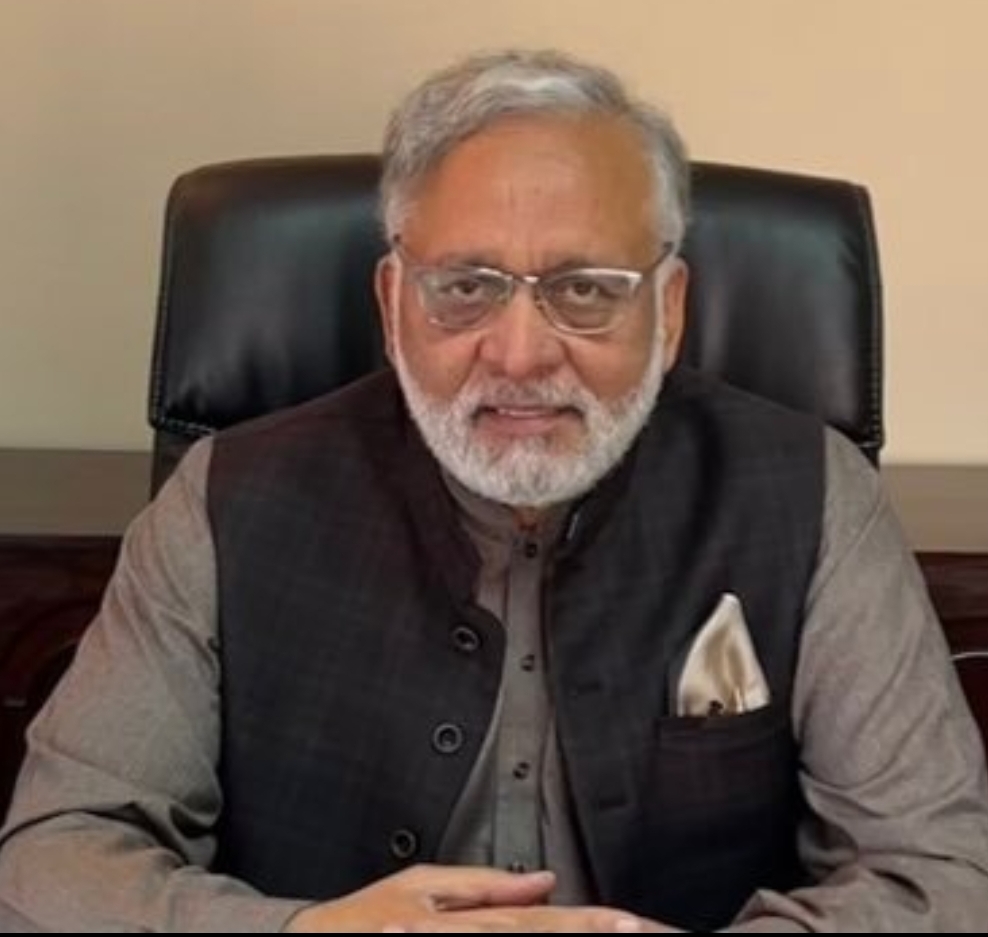
By Brig (r) Sadiq Rahi, SI (M),
Pakistan today is confronted with many internal and external challenges. On one hand, the state projects an image of strategic success enhanced military credibility, improved diplomatic outreach, and a strengthened regional role. On the other, the common citizen is grappling with an unprecedented economic burden, symbolized most starkly by the surge in fuel prices now hovering around PKR 458 per liter for petrol and even higher for diesel. This is no longer just an economic issue. It is a question of governance, priorities, and public trust.
A Crisis Framed by Conflicting Narratives
Recent public discourse
reflected in media reports, statements, and widely circulated visuals
highlights several claims:
• That the United States has allowed Iran to resume oil sales
• That Pakistan could have accessed cheaper Iranian oil
• That global oil prices do not justify the magnitude of the domestic increase
Whether fully verified or not, these narratives have gained traction because they resonate with a broader public perception:
that opportunities may have been missed, and the burden has been disproportionately shifted onto the people.
*Global Tensions and Local Consequences*
The ongoing tensions between Iran and the United States, particularly around the strategically vital Strait of Hormuz, have undeniably influenced global energy markets.
However, the critical question remains:
Why has Pakistan experienced such an extreme price surge compared to relatively modest changes in global oil prices?
The Numbers That Raise Eyebrows
A comparison between 2022 and 2026 is revealing:
2022: Global oil prices ~ $128/barrel → Petrol in Pakistan ~ PKR 150/liter
2026: Global oil prices ~ $108/barrel → Petrol in Pakistan ~ PKR 458/liter
This stark disparity suggests that domestic factors taxation, exchange rate pressures, policy inefficiencies, and structural weaknesses are playing a decisive role.
Public
*Perception: “Every Crisis Becomes an Excuse”*
A powerful sentiment emerging among citizens is that:
Every global crisis becomes a local justification for price hikes.
While international volatility is real, the scale of its domestic translation raises legitimate concerns about:
• Policy transparency
• Pricing mechanisms
• Regulatory oversight
*The Iran Oil Question:*
Opportunity or Illusion?
Another recurring theme in public debate is the possibility of importing cheaper oil from Iran.
Some analysts argue that:
• Regional cooperation could have reduced costs
• Informal or limited supplies may already have occurred
• Strategic engagement could have provided relief
Yet, the absence of clear official communication has fueled speculation and mistrust.
*Government Position vs Ground Reality*
The government maintains that:
• Broad subsidies are fiscally unsustainable
• Targeted subsidies (especially for transport) are being implemented
• Price increases are temporary and externally driven
However, ground realities complicate this narrative:
• Public transport systems are not universally available
• Benefits of targeted subsidies remain uneven
• Cost increases are immediately and widely felt
This disconnect is deepening public frustration.
*Economic Ripple Effects*
Fuel prices act as a foundational cost driver. Their increase triggers a cascading effect:
• Higher transportation costs
• Increased prices of essential commodities
• Rising rents and service charges
• Industrial slowdown
• Job losses and reduced purchasing power
In essence, fuel inflation translates into system wide economic stress.
*A Growing Socio-Political Strain*
Public reaction has been intense:
Fuel price hikes are being described as a “ *petrol bomb”*
Protests and political mobilization are gaining momentum
Trust in economic management is eroding
This is no longer a technical issueit is becoming a societal pressure point.
*Global Practice vs Local Reality*
In many countries facing similar global pressures:
Governments reduce fuel taxes
Subsidies are expanded
Strategic reserves are deployed
In contrast, Pakistan’s approach has largely shifted the burden to end consumers, raising questions about policy choices and priorities.
If the Crisis Escalates Further
Should tensions between Iran and the United States intensify:
• Global oil prices may rise further
• Supply chains could be disrupted
• Economic pressure on Pakistan will increase
This underscores the urgency of:
• Diversifying energy sources
• Strengthening regional partnerships
• Building strategic reserves
*The Way Forward*
*Immediate Measures*
• Expand targeted subsidies to broader segments
• Regulate transport fares effectively
• Crack down on hoarding and market manipulation
*Long-Term Strategy*
• Invest in renewable energy
• Enhance domestic refining capacity
• Reform the fuel taxation structure
• Pursue regional energy agreements
*Conclusion: A Crisis of Confidence*
Ultimately, this is not just a fuel crisis it is a crisis of confidence.
A state may achieve strategic and diplomatic successes, but if those gains do not translate into economic relief for its citizens, they risk losing meaning.
The strength of a nation lies not only in its global standing, but in the well being of its people.
Pakistan must now bridge the widening gap between state narratives and public reality
before economic strain evolves into deeper social instability.
Writer is Security and Strategic Affairs Analyst | Former UN Peacekeepers)