By Iftikhar Mashwani
Pakistan’s poverty rate has surpassed 48 percent, placing the country among those with the highest poverty levels in South Asia, according to the World Bank.
The report highlights rising inflation, limited employment opportunities, low household incomes and persistent economic pressures as major factors affecting the financial well-being of millions of Pakistanis.
The World Bank has linked the increase in poverty to ongoing economic challenges and weak income growth. Rising prices of food, energy and other essential goods have significantly reduced the purchasing power of low-income households, making it increasingly difficult for many families to meet their basic needs.
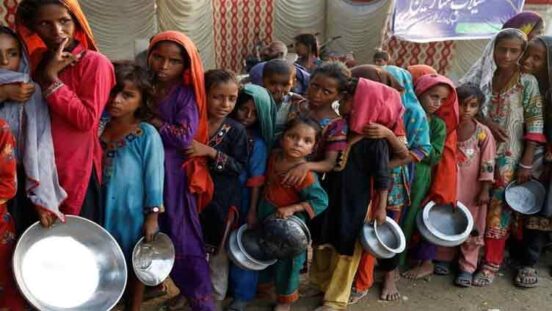
The impact of worsening poverty is particularly significant for children, young people and vulnerable households. Economic experts say sustained economic growth, greater employment opportunities, effective social protection programs and measures to control inflation are essential to reducing poverty and improving living standards.
The World Bank has also emphasized the need for economic reforms and effective policy measures to strengthen Pakistan’s economy and create more opportunities for its citizens.
Experts say that achieving long-term economic stability will require not only financial reforms but also improvements in household incomes, job creation and social protection.
They stress that targeted policies and effective implementation will be crucial to helping vulnerable communities cope with rising economic pressures and reducing poverty across the country.