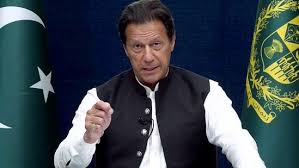
Washington, D.C.-UNS: The United States is confronting a deepening political and military crisis following sharply escalated rhetoric by , who has warned of large-scale attacks targeting critical infrastructure in Iran.
The remarks have triggered widespread concern among lawmakers, legal experts, and within the military establishment, raising serious questions about the legal, ethical, and constitutional implications of potential military action.
Military Caught Between Orders and International Law
According to international law specialists, any deliberate targeting of civilian infrastructure—such as power plants, bridges, and essential public facilities—would likely constitute a violation of the laws of armed conflict.
A report by indicates growing unease within the U.S. military, where officers and soldiers are grappling with a difficult dilemma: obeying orders from the Commander-in-Chief while avoiding potential legal accountability for unlawful actions.
Under military law, personnel are obligated to refuse illegal orders. However, analysts note that in practice, the rigid chain of command and operational pressures can make such decisions extraordinarily complex.
Congressional Shock and Bipartisan Concern
The reaction on Capitol Hill has been swift and unusually bipartisan. Members of both parties have expressed alarm over the potential consequences of escalation.
Among the most notable responses, Representative described the rhetoric as a departure from prior political commitments, warning against deeper military entanglement.
Meanwhile, Senator issued a clear warning that he would not support extended military operations beyond 60 days without formal congressional authorization—a stance gaining traction among lawmakers wary of political fallout ahead of the upcoming midterm elections.
Economic Pressures Intensify Domestic Discontent
The geopolitical tensions are unfolding against a backdrop of rising domestic economic strain. Fuel prices have surged, with gasoline reportedly reaching record highs, fueling frustration among voters and adding pressure on political leaders.
Within Republican ranks, this economic burden is increasingly seen as a political liability, further complicating support for potential military escalation.
Legal and Constitutional Tensions Rise
As the constitutional window for unilateral military action narrows, debate is intensifying in Washington over executive authority versus congressional oversight.
Democrats are closely monitoring the situation, with some lawmakers signaling that prolonged military engagement without approval could prompt serious constitutional actions, including potential impeachment proceedings.
Strategic Risks and Global Implications
President Trump has also issued warnings to Tehran regarding the Strait of Hormuz, a vital global energy corridor, raising fears of disruption to international trade and energy markets.
Experts warn that any attempt to target infrastructure tied to civilian life could blur the line between military and non-military objectives, placing U.S. forces in a legally and morally precarious position.
An Uncertain Path Forward
Reports suggesting a weakening of internal legal advisory mechanisms within the military have further heightened concerns, potentially limiting avenues for officers to challenge controversial decisions.
As tensions rise, the United States finds itself navigating a volatile intersection of political pressure, military ethics, and international law. Observers warn that miscalculation at this stage could trigger not only regional escalation but also a profound domestic crisis—one that may reshape the balance of power in Washington in the weeks ahead.
Conclusion:
With political divisions deepening and military concerns intensifying, the unfolding situation represents one of the most significant tests of U.S. governance, civil-military relations, and global leadership in recent years.